Mental Health: Simple Ways to Feel Better Every Day
When we talk about mental health, the state of your emotional, psychological, and social wellbeing. Also known as emotional wellbeing, it's not something you either have or don't have—it's something you build, day by day, with small choices. It’s not just about avoiding anxiety or depression. It’s about how you handle stress, connect with others, and recover from setbacks. And the good news? You don’t need a big change to start improving it.
One of the most powerful tools for mental health is mindfulness, paying attention to the present moment without judgment. It’s not meditation on a mountain—it’s five minutes of breathing while waiting for your coffee, noticing how your feet feel on the floor, or pausing before replying to a stressful text. Science shows this simple habit reduces stress, sharpens focus, and helps you respond instead of react. And it doesn’t require special gear or apps. Just your attention. Another key piece is stress reduction, the process of lowering the body’s reaction to pressure. It’s not about removing stress entirely—life has that covered—but about building buffers. That could mean moving your body for 10 minutes, writing down what’s weighing on you, or saying no to something that drains you. These aren’t luxuries. They’re survival skills. And then there’s emotional wellbeing, how you understand, accept, and manage your feelings. It’s not about being happy all the time. It’s about letting yourself feel sad, angry, or tired without shame—and knowing those feelings won’t last forever. These concepts aren’t separate. They overlap. Mindfulness helps with stress reduction. Stress reduction improves emotional wellbeing. And emotional wellbeing makes it easier to stick with mindfulness.
You’ll find real examples here—not theory, not fluff. People who cut their anxiety by practicing mindfulness for five minutes a day. People who learned to spot burnout before it hit. People who rebuilt their sense of calm without spending a penny. These aren’t success stories from therapists’ offices. They’re from kitchens, commutes, and late-night text threads. The articles below show you exactly how to start, what actually works, and what’s just noise. No grand gestures needed. Just the next small step.
How to Teach Yourself Mindfulness: A Practical Beginner's Guide

Learn how to teach yourself mindfulness with simple, actionable steps. Discover why consistency matters more than duration and how to turn daily chores into practice.
Are Self-Help Books Good for Mental Health? A Realistic Guide
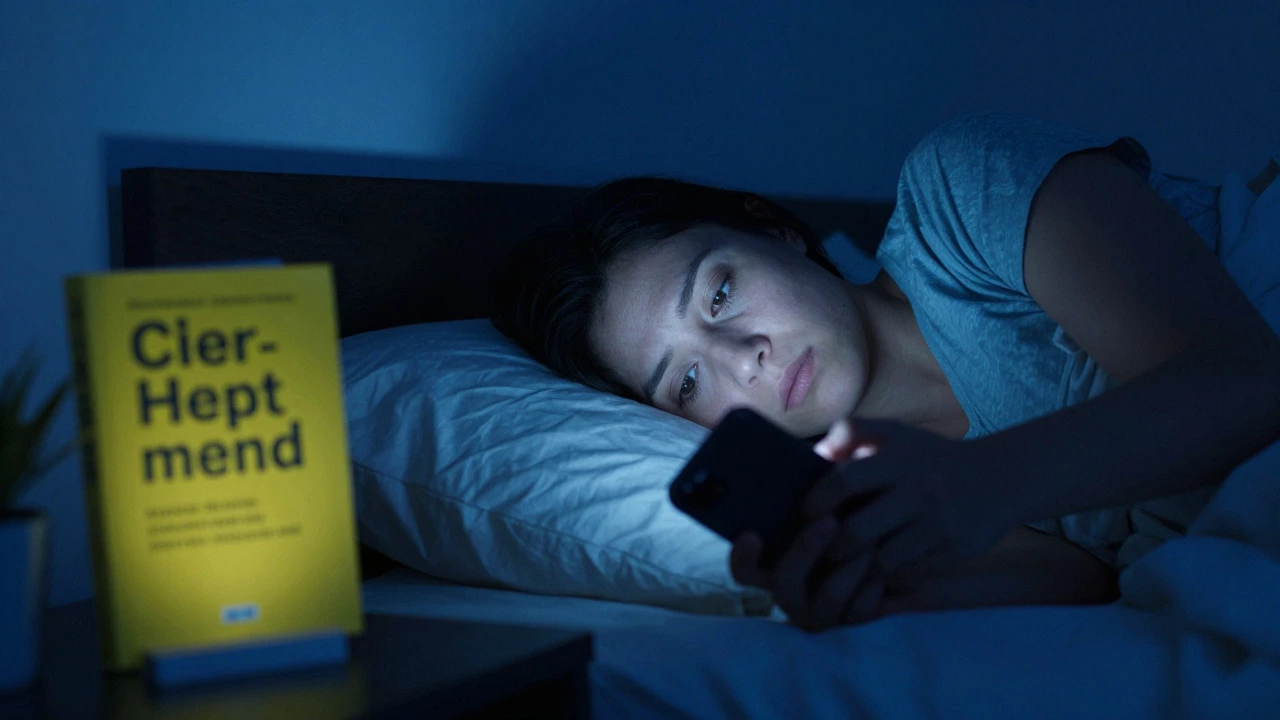
Explore whether self-help books truly benefit mental health. We analyze the science behind bibliotherapy, distinguish between evidence-based guides and toxic positivity, and provide a practical framework for choosing books that actually work.
What Is Work-Life Balance? A Practical Guide to Redefining Your Time
Discover what work-life balance truly means in 2026. Move beyond the 50/50 myth and learn practical strategies to prevent burnout, set boundaries, and integrate work and life sustainably.
10 Simple Tips for a Healthy Lifestyle and Better Work-Life Balance

Discover 10 simple, actionable tips for building a healthy lifestyle and improving work-life balance. From sleep hygiene to mindful eating, learn sustainable habits that boost energy and reduce stress.
What Is the Best Work-Life Balance? Real Strategies That Actually Work
Work-life balance isn’t about equal hours-it’s about control, energy, and protecting what matters. Real strategies that work for real people, not slogans.
What Falls Under Mental Wellbeing? A Simple Breakdown of Key Areas

Mental wellbeing includes emotional health, stress management, connection, self-care, purpose, movement, boundaries, and self-compassion. It's not about being perfect-it's about showing up for yourself daily.
Realistic Work-Life Balance: Proven Strategies for Healthy Living and Productivity

Tired of endless work emails at midnight? Discover how to set real boundaries and build a work-life balance that actually sticks. Find tips, real-life strategies, and fresh data inside.
Categories
RECENT POSTS
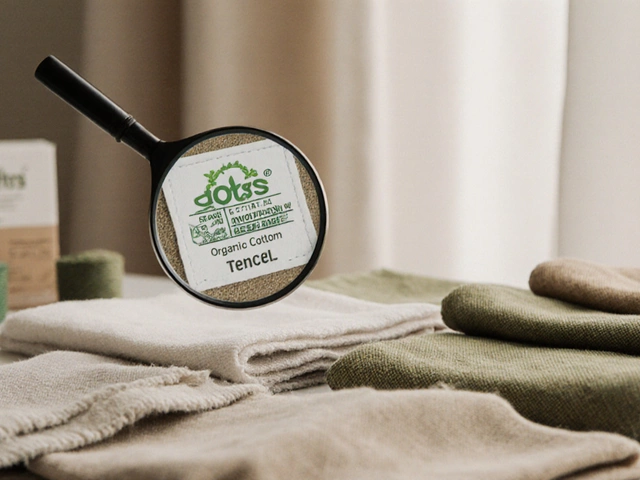
What Qualifies as Sustainable Fashion? A Clear Guide to Ethical Clothing
Sustainable fashion isn't just about organic cotton or recycled labels. It's about materials, fair labor, durability, and what happens after you're done wearing it. Learn what truly makes clothing sustainable.

What Makes a Woman Look Older Than Her Age? Style & Grooming Fixes
Discover why fit, hair color, and posture matter more than wrinkles. Learn simple style swaps to look vibrant and younger.
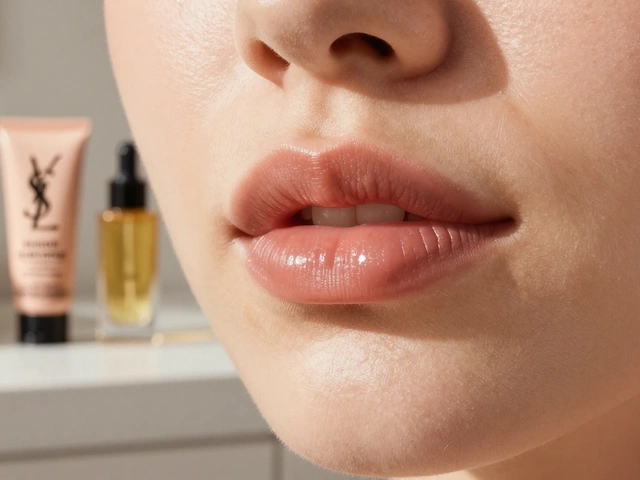
What Is the Lipstick Trend in 2024?
Discover the 2024 lipstick trends: skin-like nudes, creamy mattes, and hydrating formulas that prioritize comfort over color. Learn what shades and textures are dominating beauty routines worldwide.

Mastering Minimalism: The 20 20 Rule Explained with Tips for a Simplified Life
Discover the 20 20 rule in minimalism—what it means, how it works, and real-life tips for decluttering your space and embracing more freedom.

How to Clear a Blocked Mind: 7 Science-Backed Ways to Reset Your Brain
Struggling with a blocked mind? Discover 7 science-backed ways to clear brain fog, reset focus, and boost mental clarity instantly. From physiology hacks to nutrition tips.