Plant Liquid Nutrition Matcher
Select your plant type or describe its current condition to find the optimal liquid treatment. This tool guides you through safe application methods.
Make a selection above to see recommendations.
Why this works:
How to Apply:
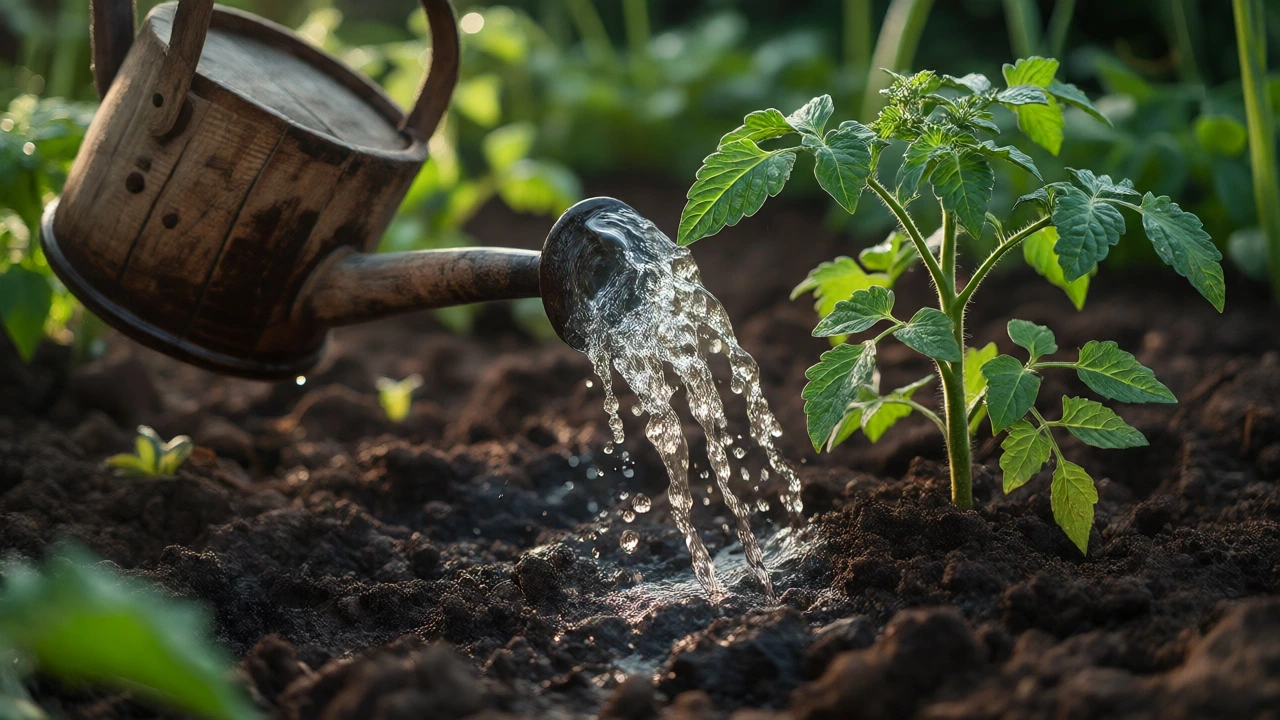
You’ve probably heard that water is the key to a happy plant. And sure, it’s essential. But if you’re wondering why your neighbor’s tomatoes are bursting with fruit while yours look like sad, yellowing sticks, the answer often lies in what’s dissolved in that water. Not all liquids are created equal when it comes to feeding your green friends. Some boost root strength, others trigger flowering, and a few can actually kill them if you get the mix wrong.
Here in Wellington, where the wind can dry out soil faster than you can blink, understanding liquid nutrition isn’t just a hobby-it’s survival for your veggie patch. Let’s break down exactly which liquids help plants grow best, why they work, and how to use them without turning your soil into a chemical soup.
Why Water Alone Isn’t Enough
Think of plain tap water as a delivery truck. It brings moisture to the roots, which is great. But if the truck is empty, the plant starves. Plants need macronutrients-nitrogen (N), phosphorus (P), and potassium (K)-plus micronutrients like iron and magnesium. These don’t appear out of thin air; they have to be delivered via the liquid medium.
Tap water is usually fine for most indoor plants, provided it’s not heavily chlorinated or softened with salt. However, rainwater is superior because it lacks chlorine and contains small amounts of nitrogen from the atmosphere. If you live in an area with hard water, letting your tap water sit out for 24 hours allows chlorine to evaporate, making it gentler on sensitive species like ferns or orchids.
The Powerhouses: Organic Liquid Fertilizers
If you want vigorous growth, you need fuel. This is where specialized liquids come in. They aren’t just "fancy water"; they are concentrated sources of nutrients ready for uptake.
Fish Emulsion
Don’t let the name scare you off. Fish emulsion is one of the oldest and most effective organic fertilizers available. Made from fermented fish waste, it’s rich in nitrogen and trace minerals. The smell? Strong, but brief. The results? Immediate leafy growth. Use it on leafy greens like lettuce, kale, and spinach. It promotes vegetative growth, meaning more leaves and fewer flowers initially. Apply it every two weeks during the growing season.
Kelp and Seaweed Extract
This is the multivitamin of the gardening world. Kelp extract doesn’t provide massive amounts of N-P-K, but it’s loaded with cytokinins, auxins, and betaines-natural plant hormones that stress-proof your plants. In our windy NZ climate, kelp helps plants withstand heat and drought stress. It also improves soil structure by encouraging beneficial microbial activity. Spray it on leaves (foliar feed) or pour it at the base. It’s gentle enough to use weekly.
Molasses
Sweeten up your soil, not your tea. Molasses is a byproduct of sugar refining, and it’s pure carbohydrate gold for soil microbes. When you add molasses to your watering can, you’re feeding the bacteria and fungi that break down organic matter into nutrients your plants can eat. Mix one tablespoon per gallon of water. It’s particularly useful in compost teas to accelerate decomposition.
DIY Kitchen Liquids That Actually Work
You don’t always need to buy expensive bottles. Your kitchen holds secrets that professional growers swear by.
Banana Peel Tea
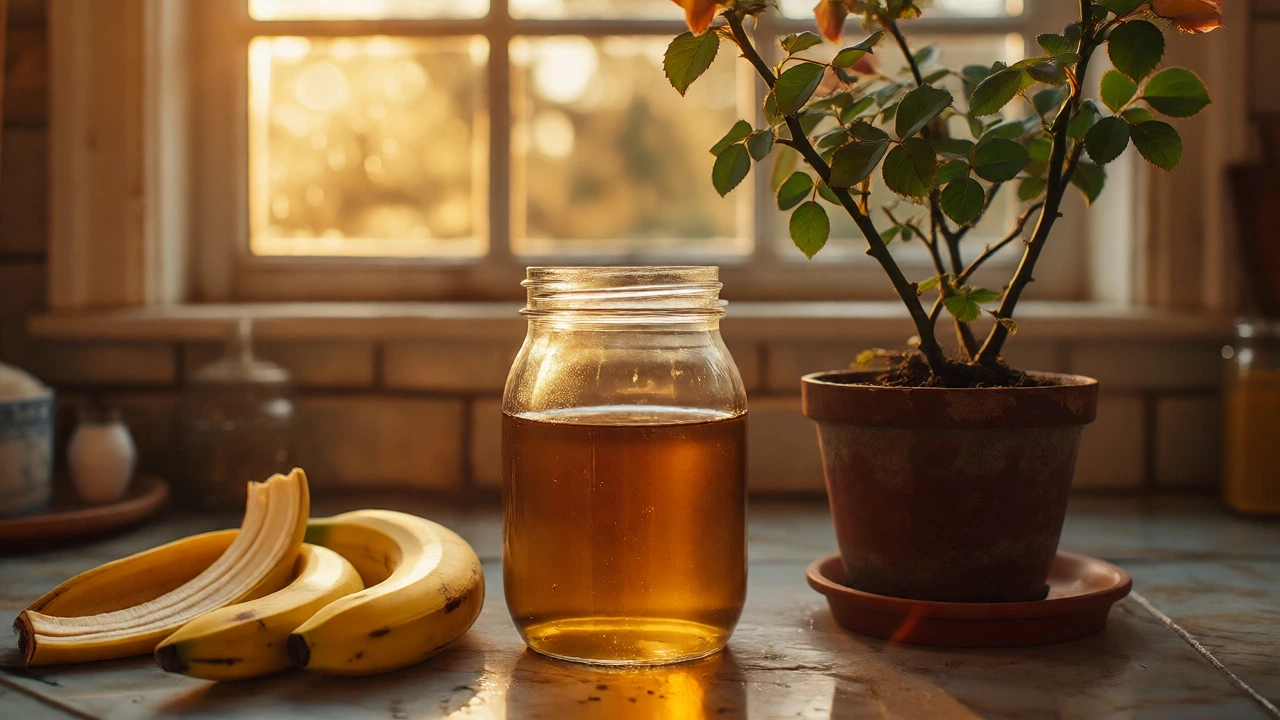
Everyone knows bananas are high in potassium. Potassium regulates water movement and strengthens cell walls, leading to better fruit production. Instead of tossing peels, soak three peels in a liter of water for three days. Strain the liquid and use it on flowering plants like tomatoes, peppers, and roses. It’s a mild fertilizer, so don’t expect miracles overnight, but consistent use yields stronger stems and sweeter fruit.
Eggshell Water
Calcium deficiency causes blossom end rot in tomatoes-a common heartbreak for home gardeners. While eggshells are slow-release solids, boiling them creates a calcium-rich liquid. Boil a dozen clean shells in four cups of water for ten minutes, let it cool, and strain. This solution helps prevent calcium-related disorders. Note: This works best in acidic soils where calcium might otherwise lock up.
Coffee Ground Infusion
Used coffee grounds are slightly acidic and contain nitrogen. Soak used grounds in water overnight to create a weak coffee tea. This is ideal for acid-loving plants like azaleas, rhododendrons, blueberries, and hydrangeas. Avoid using this on succulents or cacti, which prefer neutral to alkaline conditions. Always dilute it further before applying to avoid mold growth on the soil surface.
The Science Behind Nutrient Uptake
How do these liquids actually get inside the plant? Through osmosis and active transport. Roots absorb dissolved ions from the soil solution. If the concentration of salts (nutrients) in the soil is too high compared to the plant’s cells, water gets pulled out of the plant, causing dehydration. This is called "fertilizer burn."
That’s why liquid feeds are safer than granular ones for beginners. You can control the dosage precisely. A good rule of thumb: start with half the recommended strength on the label. Observe your plants for a week. If they look greener and perkier, keep going. If tips turn brown, dilute further.
| Liquid Type | Primary Benefit | Best For | Frequency |
|---|---|---|---|
| Rainwater | Chlorine-free, natural pH | All plants, especially orchids | Whenever needed |
| Fish Emulsion | High Nitrogen, fast acting | Leafy greens, lawns | Every 2-4 weeks |
| Kelp Extract | Hormones, stress resistance | All plants, seedlings | Weekly |
| Banana Tea | Potassium boost | Flowering/fruiting plants | Every 2 weeks |
| Vinegar Solution | Acidifies soil | Blueberries, Azaleas | Monthly |
Liquids to Approach With Caution
Not everything liquid belongs in your garden pot. Here are the traps to avoid.
Hard Tap Water
In many parts of New Zealand, tap water is soft, but in other regions, it’s hard. Hard water contains high levels of calcium and magnesium. Over time, this raises soil pH, locking out iron and manganese. Plants show signs of chlorosis (yellow leaves with green veins). If you notice this, switch to rainwater or use a chelated iron supplement mixed into your watering routine.
Beer
Yes, people water plants with beer. Flat beer contains sugars, yeast, and carbon dioxide. The CO2 can stimulate photosynthesis if sprayed on leaves, and the sugars feed microbes. But it attracts slugs and gnats. If you must try it, use flat, non-light beer once a month. Don’t make it a habit unless you enjoy cleaning sticky pots.
Hydrogen Peroxide
A diluted solution of hydrogen peroxide (one part 3% H2O2 to nine parts water) oxygenates the root zone. This kills anaerobic bacteria responsible for root rot. It’s a rescue treatment, not a regular fertilizer. Use it only if you suspect overwatering or fungal issues. Regular use can harm beneficial microbes.
How to Apply Liquid Feeds Correctly
Timing matters as much as the ingredient. Here’s your checklist for success:
- Water first: Never apply strong fertilizer to bone-dry soil. Water with plain water first to moisten roots, then apply the nutrient solution. This prevents shock.
- Time of day: Early morning is best. Leaves dry quickly, reducing fungal risk, and roots are active.
- Foliar vs. Root: Foliar spraying (on leaves) provides quick fixes for deficiencies. Root drenching builds long-term health. Combine both for maximum effect.
- Seasonality: Feed actively growing plants. In winter, most plants go dormant. Reduce or stop feeding entirely to avoid salt buildup.
Signs Your Plants Need More Than Water
Your plants talk to you. Learn their language:
- Pale green or yellow lower leaves: Likely nitrogen deficiency. Try fish emulsion.
- Dark purple or red undersides: Phosphorus shortage. Kelp or bone meal tea can help.
- Weak, floppy stems: Potassium lack. Banana peel tea is your friend.
- Stunted new growth: Could be iron or zinc. Check your pH; if it’s too high, those nutrients won’t absorb regardless of how much you add.
Is distilled water better for plants than tap water?
Distilled water is free of minerals, which means it lacks the trace elements found in tap or rainwater. For most houseplants, filtered tap water is sufficient. Distilled water can be used for carnivorous plants or orchids that are sensitive to salts, but you may need to add a very dilute fertilizer since distilled water provides no nutrients itself.
Can I use milk to water my plants?
Diluted milk (1:10 ratio with water) can act as a fungicide against powdery mildew and provides some calcium. However, full-strength milk can sour, smell bad, and attract pests. It’s best used as a foliar spray rather than a soil drench, and only occasionally.
How often should I use liquid fertilizer?
It depends on the product strength and plant type. Generally, fast-growing annuals and vegetables benefit from feeding every 2-4 weeks during spring and summer. Perennials and houseplants typically need feeding only once a month during active growth periods. Always follow the "weakly, weekly" principle: frequent, dilute applications are safer than rare, heavy doses.
Does rainwater really make a difference?
Yes, significantly. Rainwater has a slightly acidic pH (around 5.5-6.0), which is ideal for most plants’ nutrient absorption. It also lacks chlorine and fluoride, which can accumulate in soil from municipal water supplies and potentially harm beneficial soil microbes over time.
Can I over-fertilize with liquid feeds?
Absolutely. Over-fertilizing leads to salt accumulation in the soil, which draws water away from roots (osmotic stress). Signs include brown leaf tips, wilting despite wet soil, and white crust on the soil surface. Flush the soil with large amounts of plain water to leach out excess salts if this happens.