Vegetable Garden Success Planner
You’ve probably stood in the garden center, staring at those bright green seedlings, thinking, "This time is different." Maybe last year your tomatoes turned into mush before they ripened, or the slugs ate every single lettuce leaf overnight. It’s frustrating, but here’s the truth: growing food isn’t about having a green thumb. It’s about understanding a few basic rules of nature and sticking to them. Whether you have a sprawling backyard or just a sunny balcony corner, you can grow enough vegetables to feed yourself for weeks if you get the setup right.
Start With Soil, Not Seeds
Most beginners make the mistake of buying fancy seeds first. Stop. Your plants are only as good as the dirt they sit in. Think of soil as the engine of your garden. If the engine is sputtering, it doesn’t matter how nice the car looks. You need living, rich soil that drains well but holds moisture. In Wellington, where we deal with heavy clay or sandy loam depending on your suburb, amending your ground is non-negotiable.
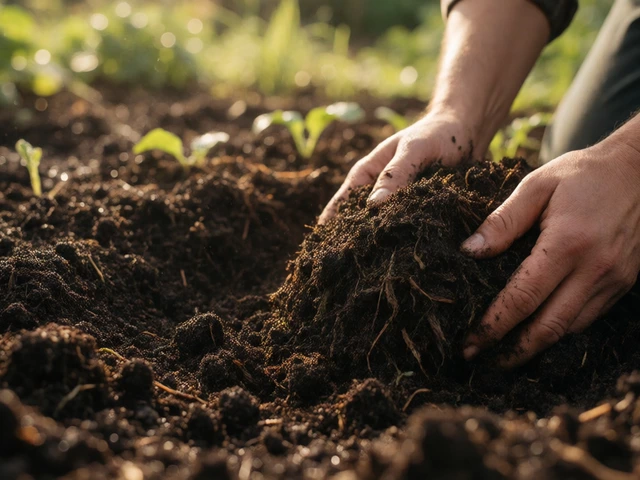
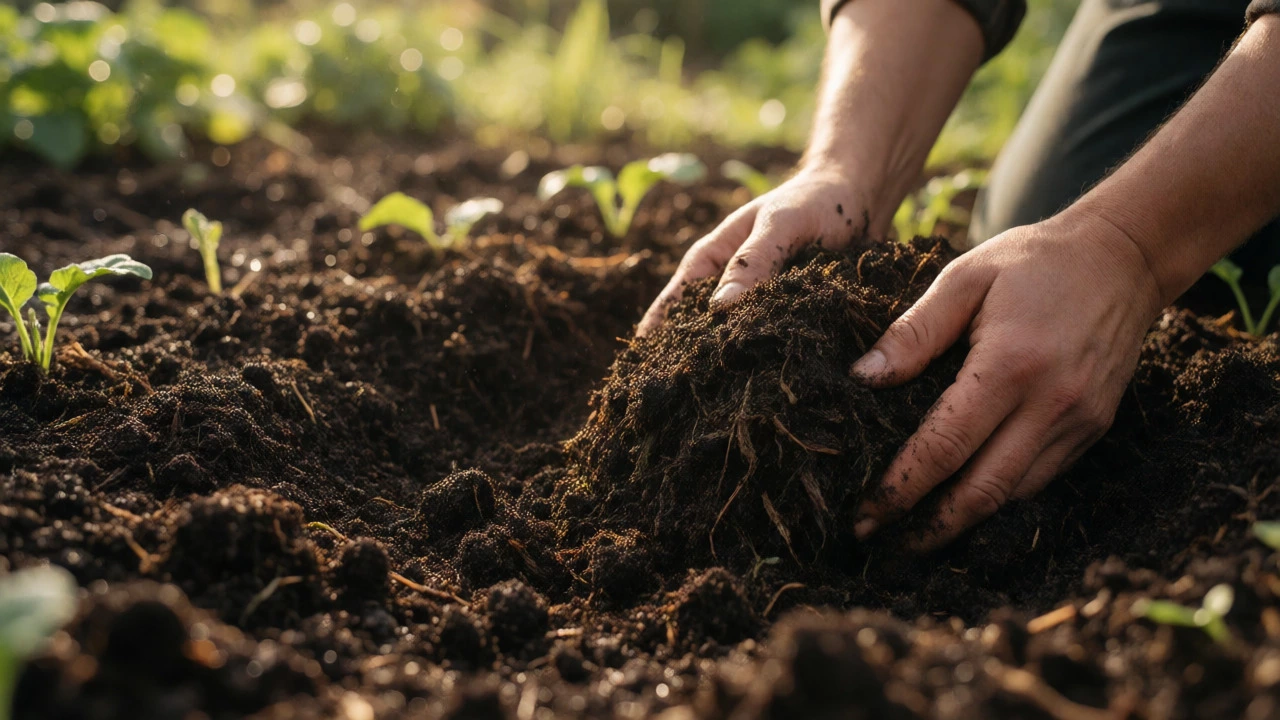
Add organic matter. Compost, aged manure, or worm castings. These aren't just fillers; they feed the microbes that break down nutrients for your plants. Aim for a layer of compost about 5-10 centimeters thick and work it into the top 20 centimeters of your soil. This improves structure immediately. If you’re in a container, don’t use garden soil-it compacts too much. Use a high-quality potting mix designed for vegetables, which usually contains perlite for drainage and peat or coir for water retention.
Soil Health is defined as the continued capacity of soil to function as a vital living ecosystem that sustains plants, animals, and humans. Healthy soil has a balanced pH (usually between 6.0 and 7.0 for most veggies), good structure, and active microbial life. Without these attributes, even the best seeds will struggle to thrive.
Choose What Actually Grows Well
Don’t try to grow avocados in a temperate climate just because you love them. Success comes from matching plant needs to your environment. Check your hardiness zone. In New Zealand, Zone 9-10 covers many areas, meaning mild winters and warm summers. But microclimates matter. Does your spot get six hours of direct sun? Tomatoes, peppers, and cucumbers need that heat. If you only get four hours, stick to leafy greens like spinach, kale, or silverbeet, which tolerate shade better.
Also, consider your local seasonality. September is spring here, so it’s perfect for planting brassicas, carrots, and potatoes. Trying to force summer crops like beans too early often leads to rot in cold, wet soil. Patience pays off. Start with three to five crops you actually eat. If you hate zucchini, why grow ten plants of it? Grow what you’ll consume, and you’ll be more motivated to care for them.
Watering Is About Depth, Not Frequency
This is the biggest killer of vegetable gardens. People water a little bit every day. Bad move. Shallow watering encourages shallow roots. When a hot spell hits, those shallow roots dry out fast, and your plants wilt. Instead, water deeply once or twice a week. You want the water to soak down to the root zone, about 15-30 centimeters deep. This forces roots to grow downward searching for moisture, making them more resilient.
Use the finger test. Stick your index finger into the soil up to the second knuckle. If it feels dry there, it’s time to water. If it’s damp, wait. Overwatering drowns roots and invites fungal diseases like powdery mildew. Underwatering stresses plants, causing them to bolt (go to seed) prematurely, especially in lettuces and coriander. Consistency matters more than volume. Drip irrigation or soaker hoses save time and keep foliage dry, reducing disease risk.
Master Companion Planting Basics
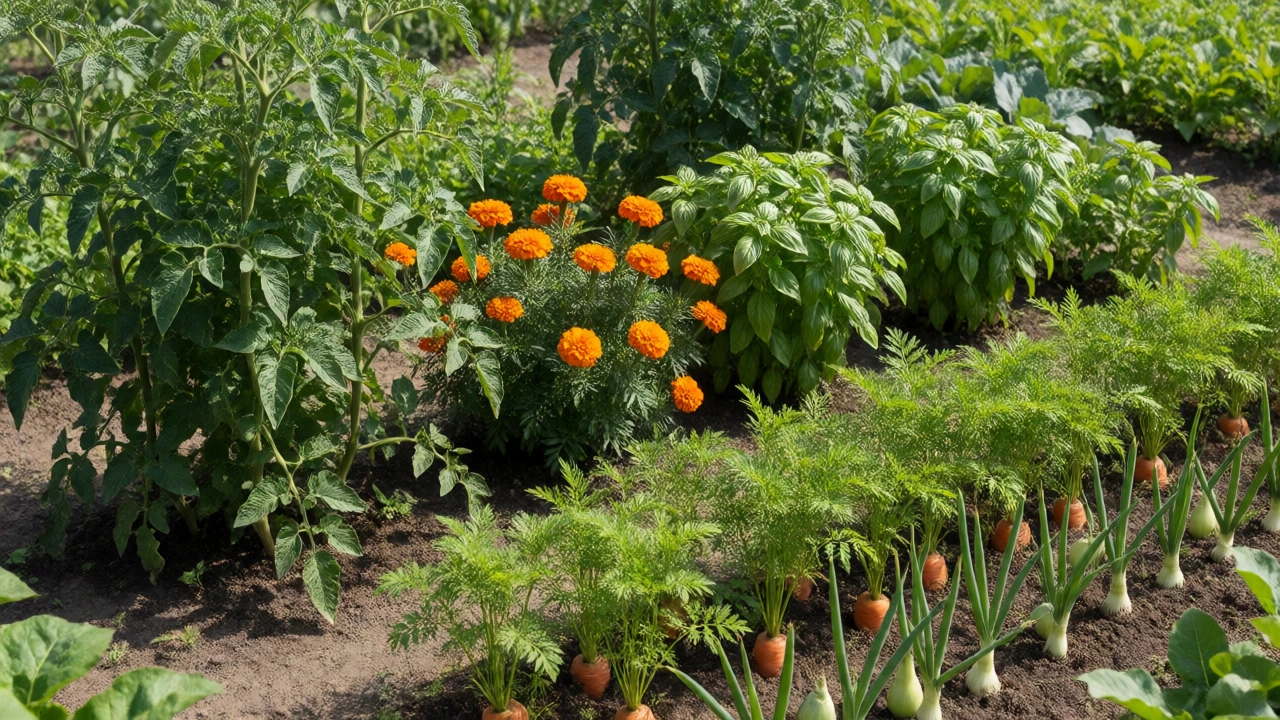
You don’t need a PhD in botany to use companion planting. It’s mostly about smart spacing and using plants to help each other. Some combinations deter pests naturally. For example, marigolds emit a scent that confuses aphids and whiteflies, protecting nearby tomatoes. Basil repels flies and mosquitoes while potentially improving tomato flavor. Carrots and onions also pair well; the onion smell masks the carrot fly’s favorite scent, keeping the pests away from your sweet roots.
Avoid bad neighbors. Beans and alliums (onions, garlic, leeks) generally don’t like each other. Alliums can stunt bean growth. Keep them in separate beds. Here’s a quick cheat sheet for common pairs:
| Main Crop | Good Companions | Bad Neighbors | Benefit |
|---|---|---|---|
| Tomatoes | Basil, Marigolds, Parsley | Corn, Potatoes | Pest deterrence, improved flavor |
| Carrots | Onions, Rosemary, Lettuce | Dill, Parsnip | Repels carrot fly |
| Lettuce | Radishes, Strawberries, Cucumbers | Broccoli, Cauliflower | Shade tolerance, space efficiency |
| Beans | Squash, Corn, Cucumber | Onions, Garlic | Nitrogen fixation, support structure |
Handle Pests Before They Become Problems
Don’t panic at the first sign of a bug. Most gardens have a balance. Aphids happen. Slugs happen. The key is monitoring. Walk your garden every morning. Look under leaves. If you see a cluster of aphids, blast them off with a strong jet of water. Simple, effective, no chemicals needed. For slugs, beer traps work surprisingly well. Bury a cup level with the soil, fill it with cheap lager, and watch them drown. Copper tape around pots stops them dead in their tracks.
If infestations get serious, consider organic sprays like neem oil or insecticidal soap. Apply them in the evening to avoid burning leaves in the sun and to protect bees, which are active during the day. Remember, healthy plants resist pests better. Stressed plants attract them. So, proper feeding and watering are your first line of defense.
Feed Your Plants Regularly
Vegetables are hungry. They pull nutrients from the soil rapidly. Once your initial compost breaks down, you need to replenish. Use a balanced organic fertilizer every 4-6 weeks. For leafy greens, nitrogen-rich feeds help them grow lush and green. For fruiting crops like tomatoes and peppers, switch to a phosphorus and potassium-heavy feed once flowers appear. Too much nitrogen on fruiting plants results in big, bushy leaves but tiny fruits.
Foliar feeding-spraying liquid fertilizer directly on leaves-can give a quick boost during stressful periods, like after a storm or heatwave. Just dilute it properly. Always follow package instructions. More is not better; too much salt can burn roots.
Harvest Often to Keep Production Going
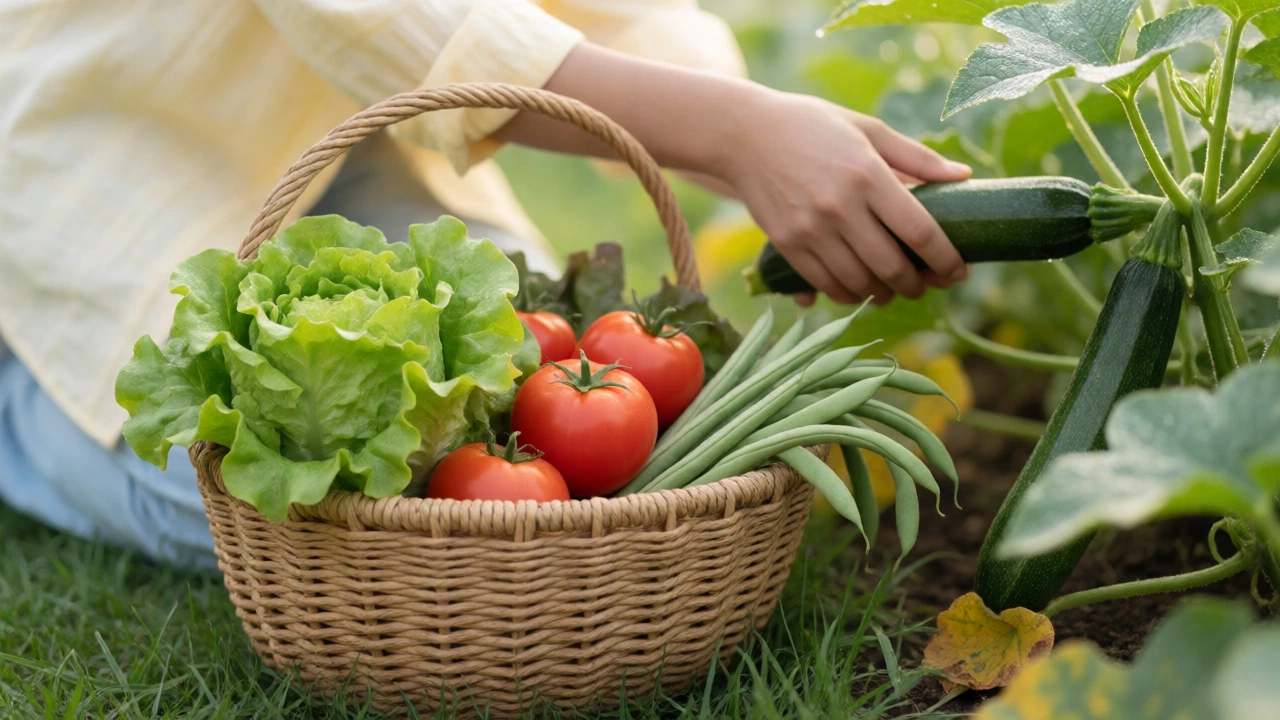
This sounds obvious, but many people wait until veggies are huge. Pick young. Zucchini gets tough if left too long. Beans stop producing new pods if old ones stay on the vine. Regular harvesting signals the plant to keep making more. It’s a continuous cycle. Don’t leave ripe produce sitting; it can rot and attract pests. Also, harvest in the cool of the morning for the crispest taste and longest shelf life.
Companion Planting is a gardening technique that involves placing two or more species of plants near one another for mutual benefit, such as pest control or nutrient sharing. While scientific evidence varies by pairing, practical experience shows significant benefits in reduced pesticide use and improved yield diversity.
How much sunlight do vegetables really need?
Most fruiting vegetables like tomatoes, peppers, and squash require at least 6 to 8 hours of direct sunlight daily. Leafy greens such as lettuce, spinach, and kale can tolerate partial shade and may even prefer it in very hot climates to prevent bolting. Root vegetables like carrots and beets generally need about 4 to 6 hours of sun.
Can I grow vegetables in containers?
Yes, absolutely. Choose containers at least 30 centimeters deep with drainage holes. Use a high-quality potting mix, not garden soil. Dwarf varieties of tomatoes, peppers, and bush beans work well. Containers dry out faster than ground beds, so check moisture levels daily and fertilize more frequently since nutrients wash out quickly.
What is the best way to control slugs organically?
Combine methods for best results. Beer traps attract and drown them. Copper tape creates a barrier they won't cross due to the electrical reaction with their slime. Diatomaceous earth applied around bases of plants cuts their soft bodies. Hand-picking at dusk or dawn is also highly effective for small gardens.
Why are my tomato leaves turning yellow?
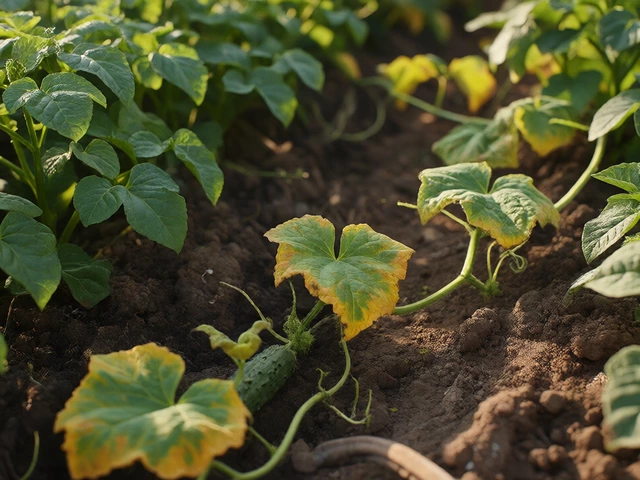
Yellow lower leaves are often natural as the plant grows, but widespread yellowing can indicate nitrogen deficiency, overwatering, or early blight. Check soil moisture first. If wet, reduce watering. If dry, feed with a nitrogen-rich fertilizer. Remove affected leaves to improve air circulation and prevent disease spread.
When should I start planting in Spring?
In temperate zones like Wellington, wait until soil temperatures reach at least 10°C. Cool-season crops like peas, broad beans, and brassicas can go in earlier. Warm-season crops like tomatoes, cucumbers, and basil should wait until the risk of frost has completely passed, usually late September to October.