Sustainable Brand Finder
Not sure which brand aligns with your values? Filter by what matters most to you—whether it's fair wages, environmental impact, or budget—and find a brand that walks the talk.
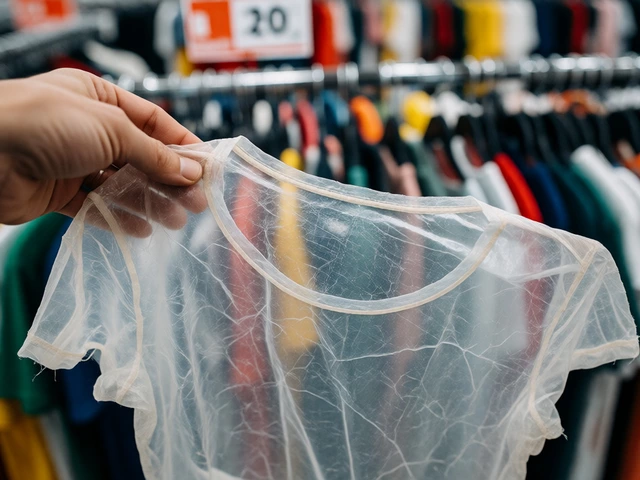
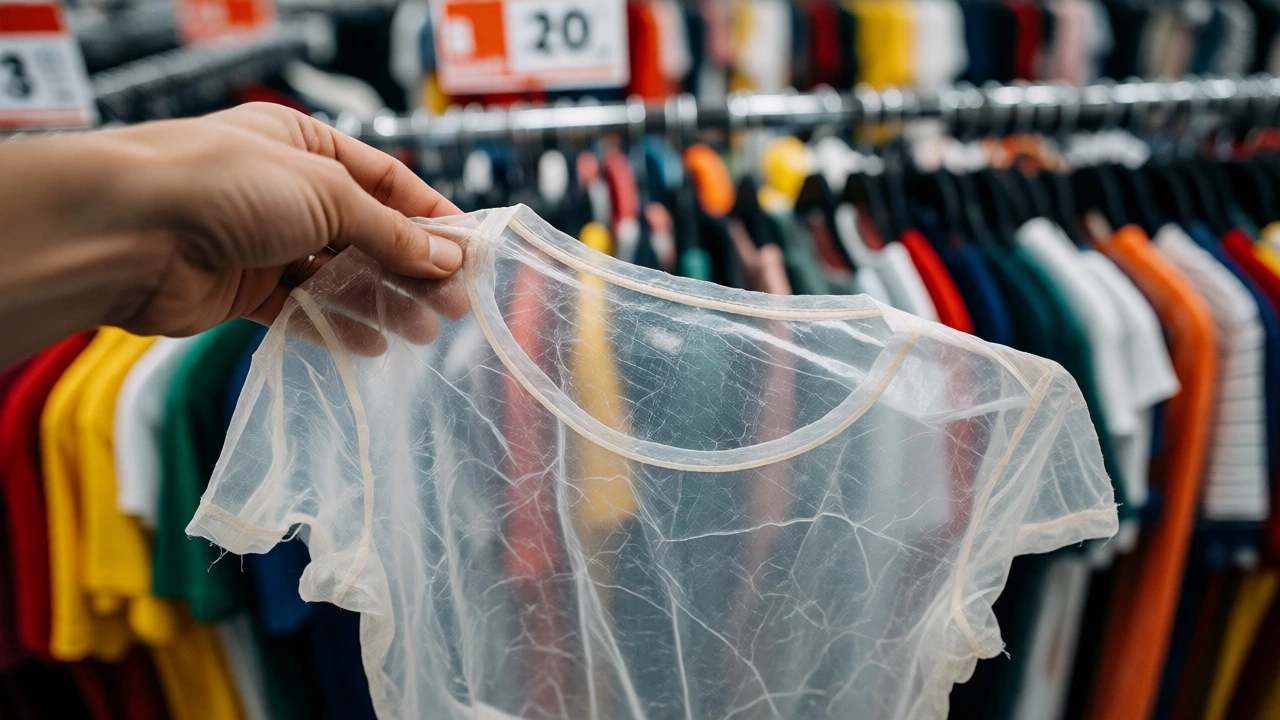
You’re standing in front of a rack, holding a $15 t-shirt that feels like plastic and will likely fall apart after three washes. Then you see a pair of jeans for $80 that claims to be "eco-conscious." Your gut tells you something is off. You’re not wrong. The sustainable fashion market is flooded with vague buzzwords, half-truths, and clever marketing designed to make us feel good about spending money we probably shouldn’t.
Here’s the hard truth: no brand is perfectly sustainable. Every piece of clothing has an environmental footprint, from the water used to grow cotton to the energy burned shipping it across oceans. But some brands are doing significantly less harm than others. They aren’t just slapping a green leaf logo on their packaging; they’re changing how materials are sourced, how workers are paid, and how garments are made. If you want to know which brands actually walk the talk in 2026, you need to look past the tagline and into the supply chain.
The Real Definition of Sustainability
Before we name names, let’s clear up what "sustainable" actually means. It’s not just about using organic cotton. True sustainability covers three pillars: environmental impact, social responsibility, and economic viability. A brand might use recycled polyester (good for waste) but underpay its factory workers in Vietnam (bad for people). That’s not sustainable; that’s partial progress.
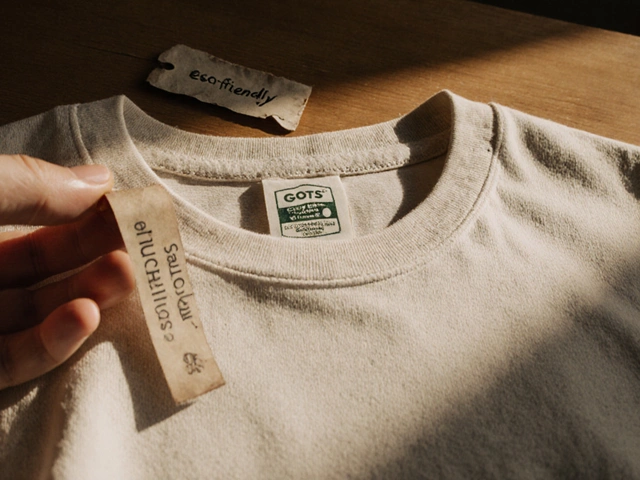
In 2026, the most credible brands adhere to strict certifications. Look for GOTS (Global Organic Textile Standard) for organic fibers, Fair Trade Certified for fair wages, and B Corp Certification for overall business ethics. These aren’t just stickers; they require audits. If a brand doesn’t list these or similar third-party validations, treat their claims with skepticism.
Pioneers Who Set the Standard
Some brands have been at this game long enough to prove their model works without sacrificing style or durability. Patagonia remains the gold standard for outdoor gear. Founded by Yvon Chouinard, the company famously told customers "Don’t Buy This Jacket" to discourage overconsumption. They repair old gear, donate 1% of sales to environmental causes, and recently transferred ownership to a trust dedicated to fighting climate change.
Then there’s Eileen Fisher. This luxury brand pioneered circular fashion decades before it was trendy. Their "Renew" program takes back worn-out clothes, cleans them, and resells them, or recycles the fabric into new textiles. It’s a closed-loop system that minimizes landfill waste. While their price point is high, the cost-per-wear is often lower because the pieces last for years, not months.
For everyday basics, People Tree has been a trailblazer in fair trade fashion since 1991. Based in the UK but with global production, they focus on artisanal skills in developing countries, ensuring women earn fair wages and work in safe conditions. Their designs are timeless, avoiding the fast-fashion trap of chasing micro-trends.
The Modern Challengers
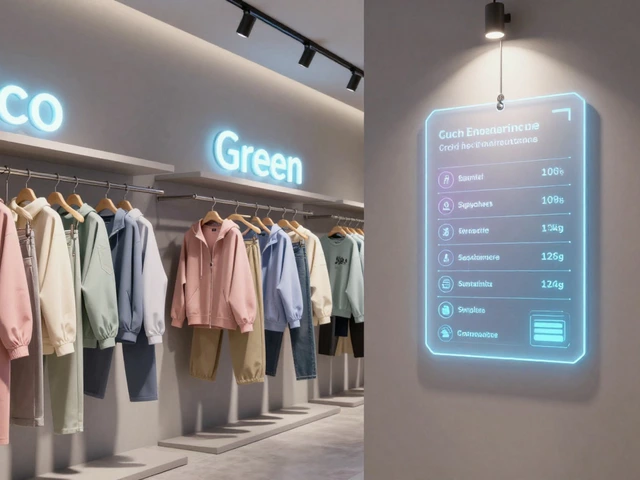
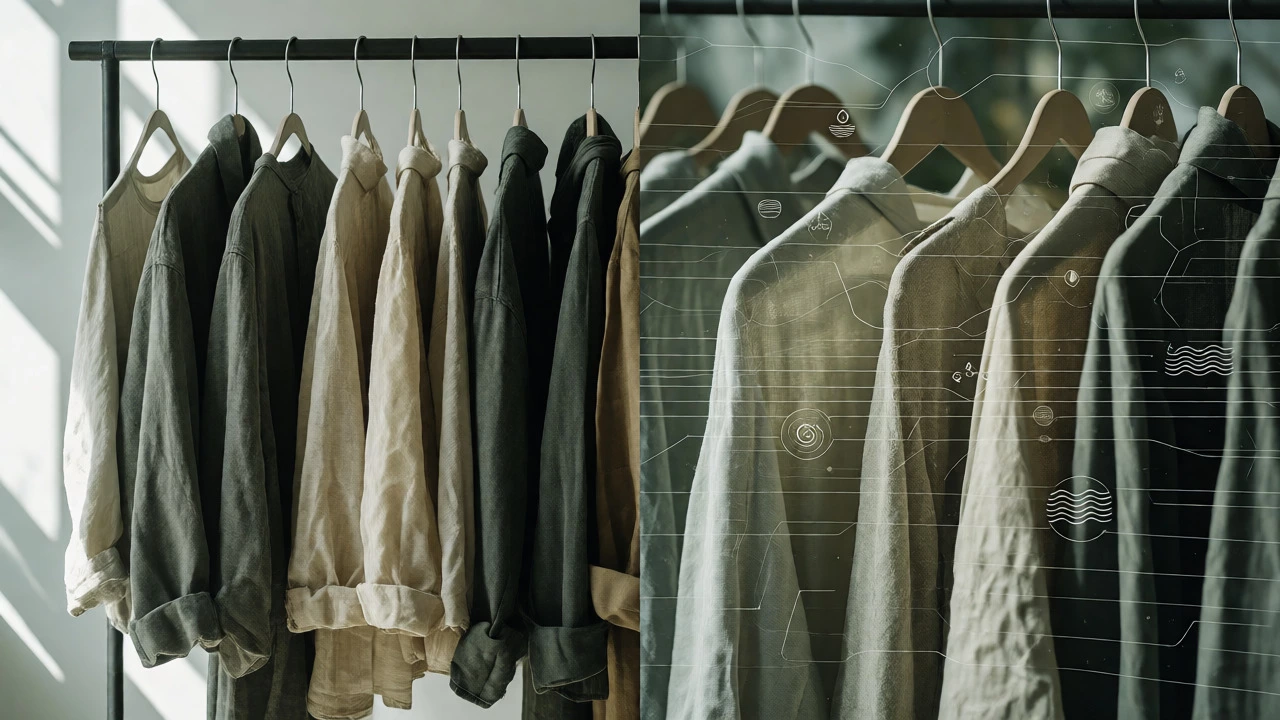
Newer brands are leveraging technology and transparency to disrupt the industry. Reformation uses deadstock fabrics (leftover material from other fashion houses) and Tencel™ lyocell, a fiber made from wood pulp in a closed-loop process. They publish a "RefScale" for every item, showing exactly how much water and CO2 were saved compared to conventional manufacturing. It’s data-driven guilt relief.
Stella McCartney proves luxury can be cruelty-free. She banned leather and fur from her collections years ago when it was considered radical. Today, she invests heavily in bio-based materials like mushroom leather (Mylo™) and regenerated cashmere. Her approach shows that high-end fashion doesn’t need animal products to look expensive.
On the more affordable end, Everlane built its brand on "radical transparency." They break down the true cost of each garment-materials, labor, duties, transport-and show their markup. While they’ve faced criticism regarding their definition of "ethical factories," their move toward 100% recycled polyester and organic cotton in recent lines signals a genuine shift toward better practices.
Australian and NZ Gems Worth Watching
If you’re in the Southern Hemisphere, local options often have smaller carbon footprints due to reduced shipping distances. In Australia, Outland Denim stands out. They train women who have escaped trafficking or poverty in Cambodia to become skilled denim makers. Their jeans are durable, stylish, and directly support social upliftment. They also offer a free lifetime repair service, keeping denim out of landfills.
From New Zealand, Kotahi creates minimalist, gender-neutral clothing using natural fibers like merino wool and linen. Their small-batch production reduces waste, and they prioritize local manufacturing where possible. Another standout is Zoe & Morgan, who use surplus stock from larger manufacturers to create unique, limited-run pieces. It’s a smart way to utilize resources already in the system.
How to Spot Greenwashing
Not everything that looks green is clean. Here’s how to sniff out fake sustainability:
- Vague Language: Words like "green," "eco-friendly," or "conscious" mean nothing without specific data. Ask: "Conscious how?"
- The "Collection" Trap: Many fast-fashion giants launch a small "sustainable" capsule collection while still producing thousands of cheap, disposable items daily. Check if the core business model has changed.
- Lack of Traceability: If a brand can’t tell you where their cotton was grown or who sewed your shirt, they probably don’t know-or don’t want you to know.
- Recycled Plastic Myth: Recycling PET bottles into polyester helps reduce waste, but it doesn’t solve the microplastic pollution problem when those clothes are washed. It’s a step, not a solution.
| Brand | Primary Focus | Key Certifications | Price Range | Best For |
|---|---|---|---|---|
| Patagonia | Environmental Activism | B Corp, Fair Trade | $$$ | Outdoor Gear |
| Eileen Fisher | Circular Economy | B Corp, OEKO-TEX | $$$$ | Timeless Basics |
| Reformation | Data Transparency | Climate Neutral | $$ | Trendy Occasion Wear |
| Outland Denim | Social Impact | BCorp, Sedex | $$ | High-Quality Denim |
| People Tree | Fair Trade Artisanry | WFTO, GOTS | $$ | Everyday Clothing |
Your Personal Sustainability Checklist
Buying from these brands is great, but the most sustainable garment is the one you already own. Before you click "add to cart," run through this quick check:
- Do I really need this? Wait 48 hours. If you still want it, proceed.
- Can I wear it at least 30 times? If it’s a one-off party dress, consider renting instead.
- Is it made from natural or recycled fibers? Avoid virgin polyester unless necessary for performance.
- What happens when it wears out? Can it be repaired, composted, or easily recycled?
Remember, sustainability isn’t a binary switch. It’s a spectrum. Choosing a slightly better option today is better than waiting for perfection and buying nothing at all. Support brands that align with your values, but also demand accountability. Ask questions on social media. Read annual sustainability reports. Vote with your wallet, but keep your eyes open.
Are sustainable brands always more expensive?
Generally, yes, because they pay fair wages and use higher-quality materials. However, when you calculate cost-per-wear, many sustainable items are cheaper over time because they last longer. Thrifting and second-hand platforms like Depop or Vinted are excellent ways to access sustainable brands at lower prices.
Is bamboo fabric truly sustainable?
It depends on the processing method. Bamboo grows quickly with little water, which is great. However, turning it into soft fabric often requires heavy chemical processing. Look for "bamboo lyocell" or "Tencel" made from bamboo, which uses a closed-loop system that recovers solvents, making it much more eco-friendly.
What is the biggest red flag for greenwashing?
A lack of specific data. If a brand says "we love the planet" but doesn’t disclose their carbon emissions, water usage, or factory locations, they are likely hiding poor practices. Transparency is the antidote to greenwashing.
Does buying second-hand count as supporting sustainable brands?
Absolutely. Extending the life of a garment by nine months reduces its carbon, waste, and water footprint by around 20-30%. Buying second-hand from sustainable brands like Patagonia Worn Wear or Eileen Fisher Renew is arguably the most sustainable action you can take.
Are vegan leathers always better for the environment?
Not necessarily. Traditional vegan leather is often made from polyurethane (PU) or PVC, which are plastic-based and derived from fossil fuels. Plant-based alternatives like Piñatex (pineapple leaves) or Mylo (mushrooms) are better, but still emerging. Compare the full lifecycle impact, not just the absence of animal products.