Sustainable Fashion Impact Calculator
Compare the environmental impact of different fabric choices and shopping behaviors based on real industry data.
Impact Analysis Results
Water Usage
Total water consumed
Carbon Footprint
CO2 emissions generated
Cost Per Wear
True cost analysis
Detailed Breakdown
| Metric | Your Choice | Industry Average | Best Practice |
|---|
Sustainability Score
Recommendations
- Enter your details above and click calculate to receive personalized recommendations.
Quick Comparison Guide
| Fabric | Water Usage | Carbon Footprint | Durability | End-of-Life | Sustainability Rating |
|---|---|---|---|---|---|
| Conventional Cotton | High (27,000L/kg) | High | Medium | Landfill/Biodegradable | Low |
| Polyester (Virgin) | Low | Very High | High | Landfill | Low |
| Organic Cotton | Medium | Medium | Medium | Biodegradable | Medium |
| Hemp | Low | Low | Very High | Biodegradable | High |
| Mycelium Leather | Low | Low | High | Compostable | High |
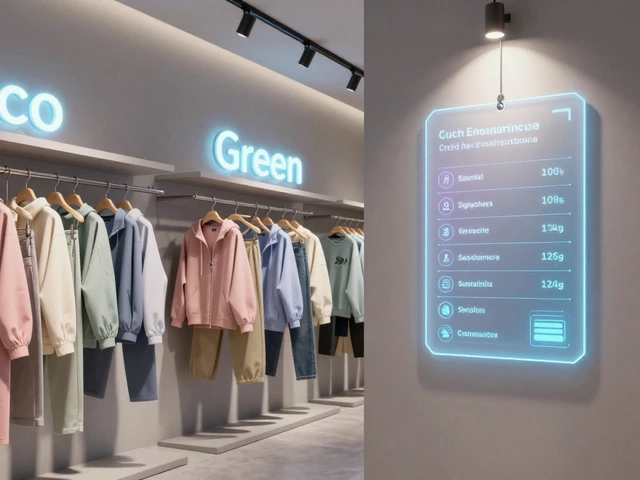
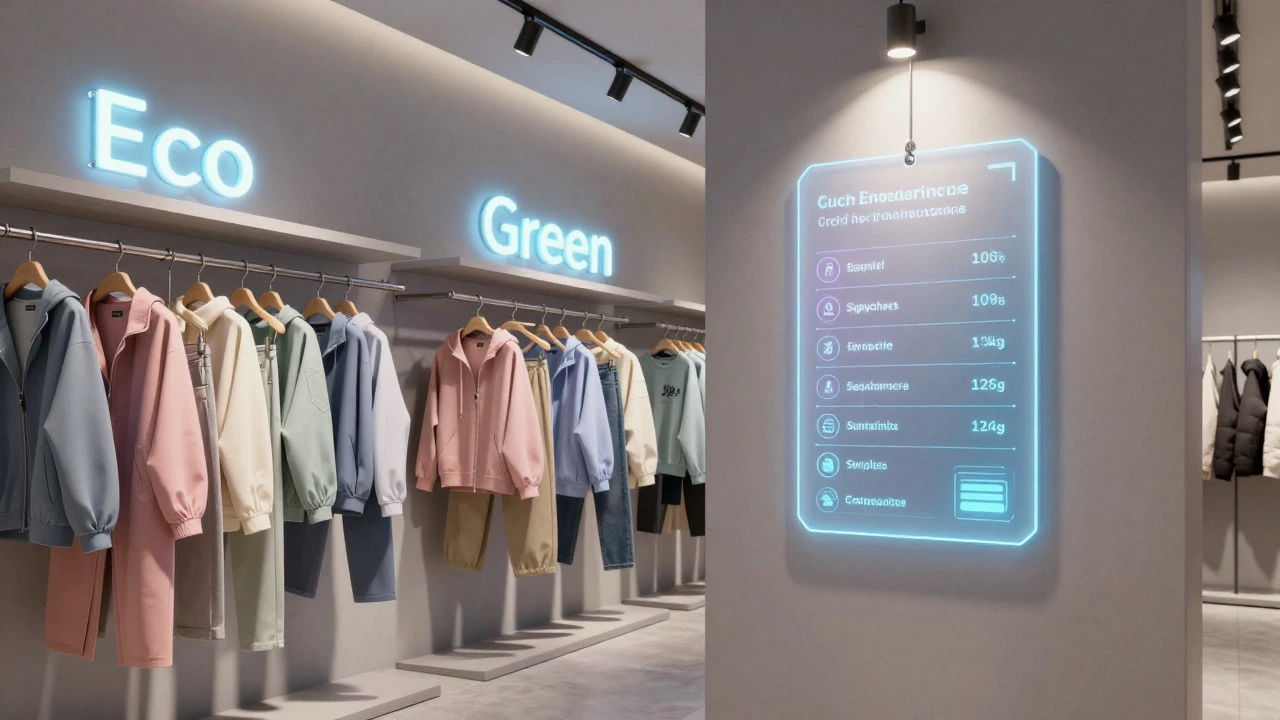
Walk into any major department store in 2026, and you’ll see it: racks labeled "Eco," "Conscious," or "Green." It feels like every brand is suddenly committed to saving the planet. But if you’ve been following the industry for more than a few years, you might be skeptical. Is sustainable fashion just a marketing trend that will fade as quickly as last season’s micro-trend? Or is it a fundamental shift in how we produce and consume clothes?
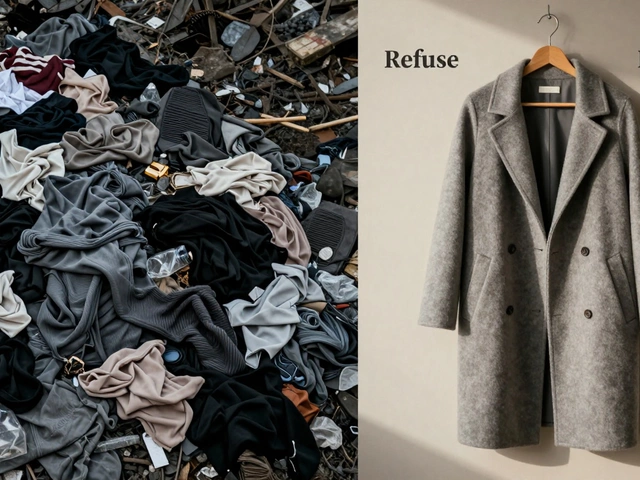
The short answer is no. It is not just a trend. However, what *is* a trend is the way brands talk about it. For decades, the fashion industry operated on a linear model: take resources, make clothes, sell them, and throw them away. That model is breaking down under the weight of climate change, resource scarcity, and consumer demand. What we are seeing now is not a passing fad, but a necessary evolution toward a circular economy.
The Rise of Greenwashing vs. Real Change
To understand why sustainable fashion feels like a trend, you have to look at greenwashing. This is when companies spend more money marketing their products as environmentally friendly than actually making them so. In 2015, a brand might have launched a single organic cotton t-shirt line and called itself "eco-friendly" for the next decade. Today, the scrutiny is higher.
Consumers are smarter. We read labels. We check supply chains. When a fast-fashion giant releases a "conscious collection" made from recycled polyester, but continues to produce billions of garments annually with opaque labor practices, the public notices. This skepticism makes sustainability feel performative. But beneath the noise, real structural changes are happening. Brands that rely solely on buzzwords are losing trust. Those investing in transparency tools like blockchain for supply chain tracking are gaining loyalty.
Why the Industry Had to Change
Sustainability isn’t just about looking good; it’s about survival. The fashion industry is responsible for approximately 10% of global carbon emissions-more than all international flights and maritime shipping combined. It consumes vast amounts of water, particularly in denim production and cotton farming. If the industry continued its business-as-usual trajectory, it would exceed the planet’s carbon budget by 2040.
This environmental pressure forced a pivot. Regulations are tightening across Europe and North America. The European Union’s EU Strategy for Sustainable and Circular Textiles, fully enforced by 2025, mandates digital product passports for textiles. These passports provide data on a garment’s composition, recyclability, and origin. You can’t fake this data easily. This regulatory push means sustainability is no longer optional; it’s a legal requirement for selling in key markets.
The Shift to Slow Fashion
Alongside regulation, consumer behavior has shifted toward slow fashion. This movement prioritizes quality over quantity. Instead of buying ten cheap shirts that fall apart after three washes, consumers are increasingly willing to pay more for one shirt that lasts five years. This mindset reduces waste and lowers the per-wear cost of clothing.
We see this in the rise of secondhand markets. Platforms like Vinted, Depop, and ThredUp have normalized buying used clothes. In 2026, resale is projected to be four times larger than fast fashion. This isn’t just about thriftiness; it’s about valuing craftsmanship. People are repairing clothes instead of discarding them. Tailors and alteration shops are seeing a resurgence. This cultural shift supports sustainability because keeping a garment in use for nine extra months reduces its carbon footprint by 20-30%.
Material Innovation: Beyond Organic Cotton
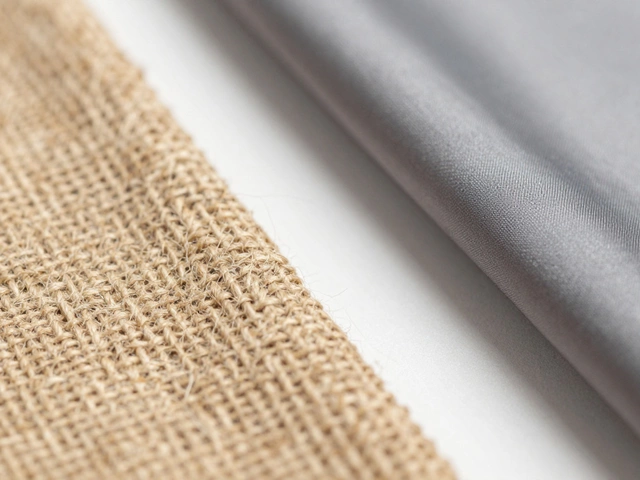
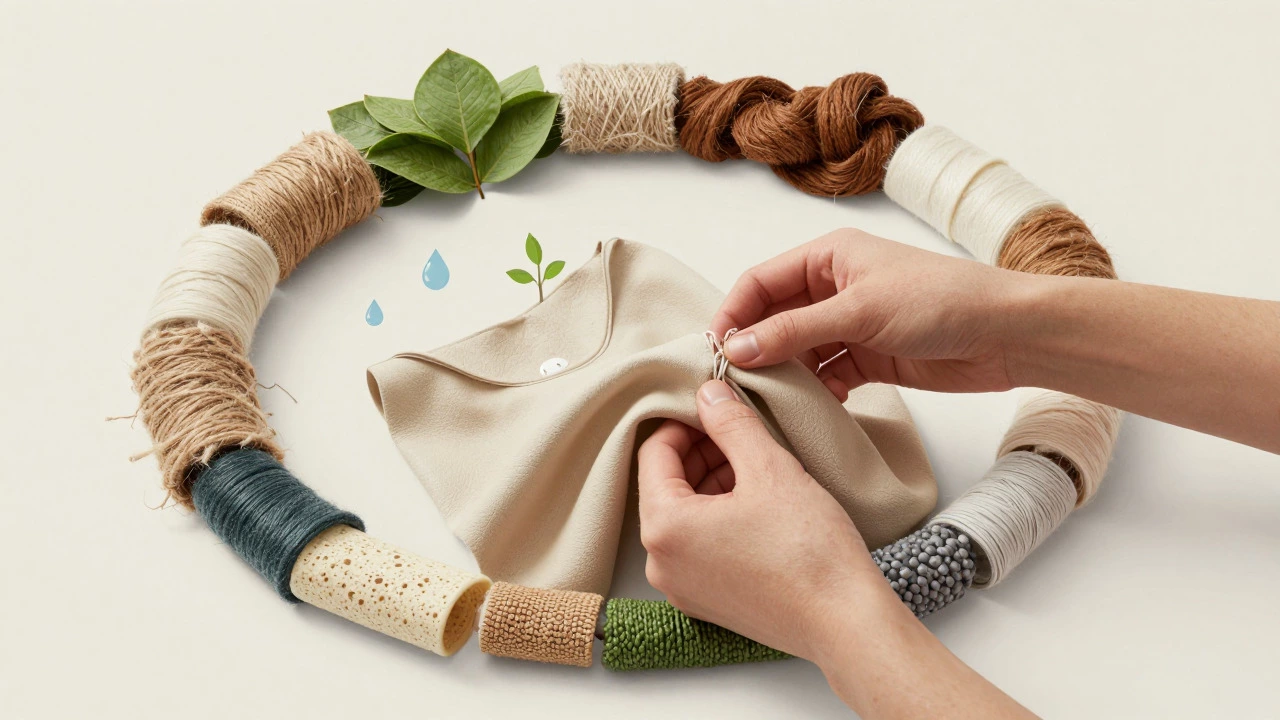
Another sign that this is not a trend is the explosion of material science. Early sustainable fashion relied heavily on organic cotton, which is better than conventional cotton but still water-intensive. Today, innovators are developing materials that require less water, land, and energy.
- Mycelium Leather: Made from mushroom roots, this material mimics animal leather without the methane emissions or chemical tanning processes associated with traditional hide.
- Recycled Polyester: Created from post-consumer plastic bottles, this fabric diverts waste from landfills and oceans. While it sheds microplastics, new washing technologies are helping mitigate this issue.
- Hemp and Linen: These crops require minimal pesticides and water compared to cotton. They are durable and biodegradable, making them ideal for long-lasting garments.
Brands are also experimenting with closed-loop systems. Companies like Eileen Fisher and Patagonia have pioneered take-back programs where old clothes are collected, cleaned, and either resold or broken down into raw fibers to make new yarn. This circular approach minimizes waste and keeps materials in use.
| Material | Water Usage | Carbon Footprint | Durability | End-of-Life |
|---|---|---|---|---|
| Conventional Cotton | High (27,000L/kg) | High | Medium | Landfill/Biodegradable (if untreated) |
| Polyester (Virgin) | Low | Very High (fossil fuels) | High | Landfill (non-biodegradable) |
| Organic Cotton | Medium | Medium | Medium | Biodegradable |
| Hemp | Low | Low | Very High | Biodegradable |
| Mycelium Leather | Low | Low | High | Compostable |
The Role of Technology in Transparency
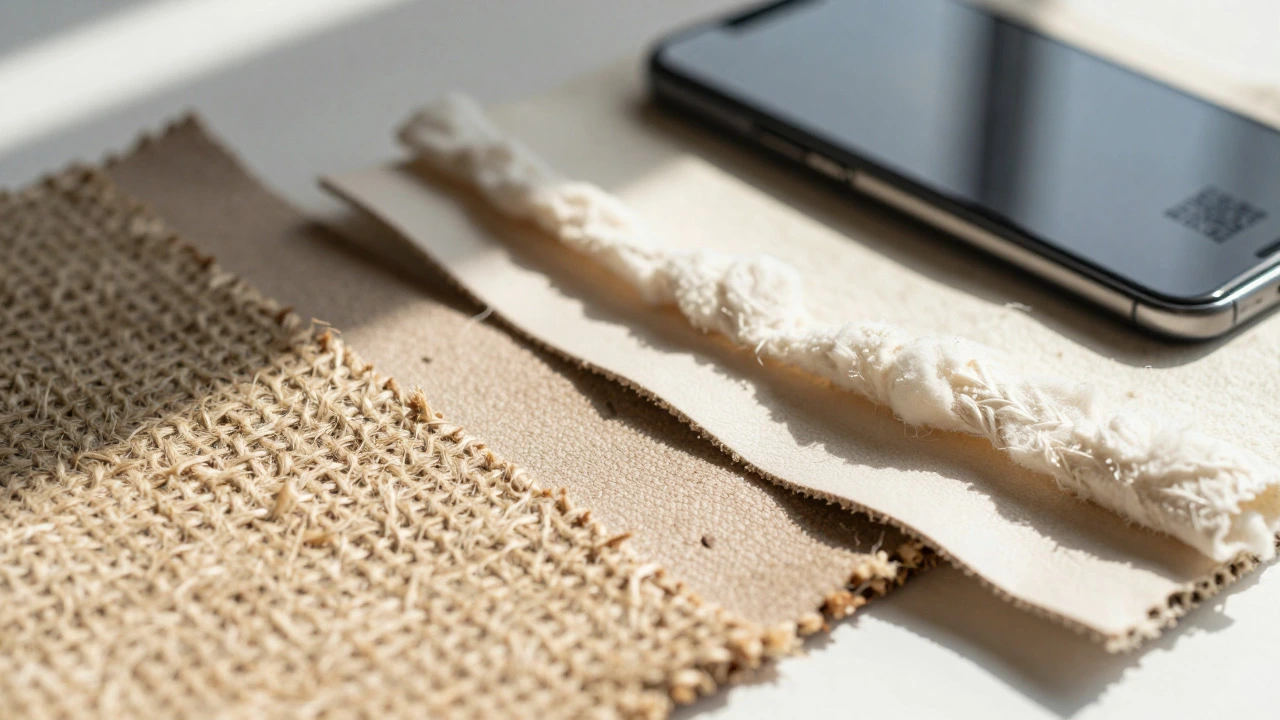
In 2026, technology plays a crucial role in verifying sustainability claims. Blockchain technology allows consumers to scan a QR code on a garment’s tag and see its entire journey-from the farm where the cotton was grown to the factory where it was sewn. This level of transparency was impossible a decade ago.
Artificial intelligence is also being used to optimize inventory. Overproduction is a massive problem in fashion; unsold clothes are often burned or landfilled. AI helps brands predict demand more accurately, reducing the need for discounting and waste. Additionally, digital sampling allows designers to create virtual prototypes, cutting down on the physical fabric waste generated during the design phase.
Challenges That Remain
Despite these advancements, challenges persist. True sustainability is expensive. Ethical labor practices, high-quality materials, and transparent supply chains cost more than exploiting workers and using cheap synthetics. This creates a price barrier for many consumers. While the cost-per-wear argument holds up, the upfront price can be prohibitive.
Furthermore, recycling infrastructure is still lacking. While recycled polyester exists, blending fabrics (like cotton-polyester mixes) is difficult to separate and recycle. Most "recyclable" clothing still ends up in landfills because the technology to process mixed fibers at scale is not yet widespread. Governments and industries must invest heavily in textile-to-textile recycling facilities to close the loop completely.
How to Shop Sustainably in 2026
If you want to support genuine sustainability rather than trends, here are practical steps:
- Buy Less, Choose Well: Focus on versatile pieces that fit your lifestyle and will last for years.
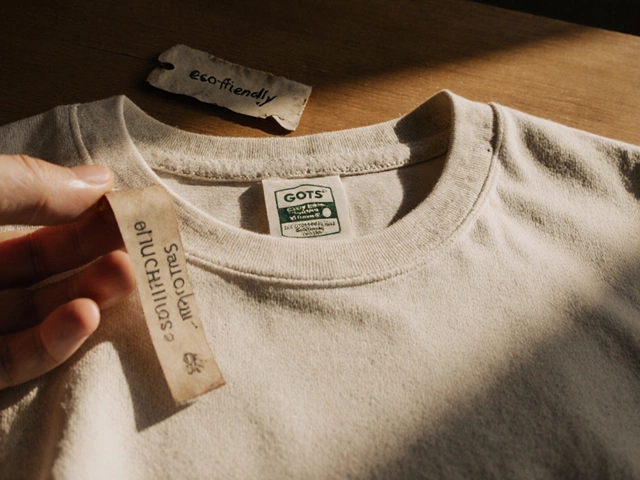
- Check Certifications: Look for GOTS (Global Organic Textile Standard), Fair Trade, or B Corp certification. These third-party verifications are harder to fake than marketing slogans.
- Support Secondhand: Buying used is the most sustainable option available today. It extends the life of existing garments.
- Care for Your Clothes: Wash in cold water, air dry when possible, and repair tears. Proper care significantly extends a garment’s lifespan.
- Research Brands: Use apps and websites that rate brands on their environmental and social impact. Don’t take a brand’s word for it; verify their claims.
Sustainable fashion is not a destination; it’s a continuous improvement process. It requires effort from producers, regulators, and consumers alike. By staying informed and making conscious choices, we can ensure that sustainability remains a permanent fixture in our wardrobes, not just a fleeting trend.
Is sustainable fashion more expensive?
Yes, sustainable fashion often has a higher upfront cost due to fair wages, quality materials, and ethical production methods. However, the cost-per-wear is usually lower because the garments last longer. Investing in fewer, higher-quality pieces can save money in the long run compared to constantly replacing cheap, fast-fashion items.
What is greenwashing in fashion?
Greenwashing is when a company spends more time and money marketing itself as environmentally friendly than actually minimizing its environmental impact. Examples include using vague terms like "eco-friendly" without certification, launching small sustainable collections while maintaining polluting main lines, or highlighting one positive attribute while ignoring negative ones.
How can I tell if a brand is truly sustainable?
Look for third-party certifications such as GOTS, Fair Trade, or B Corp. Check if the brand publishes detailed sustainability reports with specific goals and progress updates. Transparent brands will share information about their supply chain, including factory locations and worker conditions. Be wary of brands that use generic eco-language without providing concrete evidence.
Is recycled polyester really sustainable?
Recycled polyester is better than virgin polyester because it reduces reliance on fossil fuels and diverts plastic waste from landfills. However, it still sheds microplastics when washed and is difficult to recycle again at the end of its life. It is a step in the right direction, but natural, biodegradable fibers like hemp or linen may be more sustainable in the long term depending on the context.
What is the difference between slow fashion and sustainable fashion?
Sustainable fashion focuses on the environmental and social impact of production, including materials, labor, and waste. Slow fashion is a consumer mindset that emphasizes buying fewer, higher-quality items that last longer. While they overlap significantly, slow fashion is about consumption habits, whereas sustainable fashion is about production practices. Ideally, both should work together for maximum impact.