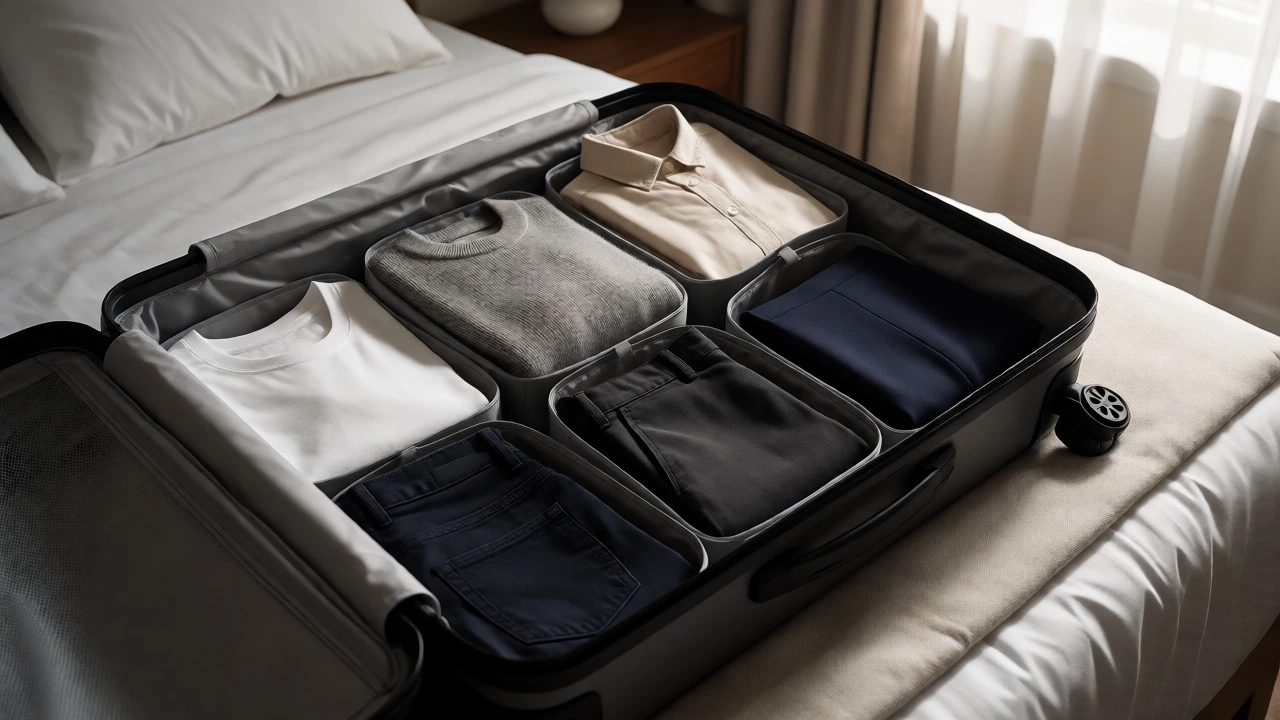
3-3-3 Packing Calculator
Enter your planned items below to see how many unique outfits you can create with your carry-on essentials.
Top #1 + Bottom #1 + Shoe #1
Ever stared at a suitcase that won’t zip because you tried to pack your entire life into it? You’re not alone. Most of us overpack, terrified we’ll miss out on looking good or staying comfortable during a trip. But there’s a smarter way to dress for short getaways without lugging around a duffel bag full of regret. It’s called the 3-3-3 rule. This isn’t just another trendy hashtag; it’s a proven method used by frequent flyers and minimalists to keep their luggage small and their choices simple.
The concept is deceptively straightforward. For a three-day trip, you pack exactly three tops, three bottoms, and three pairs of shoes. That’s it. No "just in case" outfits. No extra scarves. Just nine core items that mix and match to create multiple looks. Why does this work? Because decision fatigue is real. When you limit your options, you stop worrying about what to wear and start enjoying where you are. Whether you’re hopping between cities in Europe or just visiting family for the weekend, this rule keeps you mobile and stylish.
Breaking Down the Numbers: What Goes in Your Bag?
Let’s get specific. The magic isn’t just in the numbers; it’s in the versatility of those numbers. If you pick random clothes, you might end up with three tops that all go with only one pair of pants. That’s a recipe for repetition. Instead, you need to curate a mini-capsule wardrobe.
Start with your bottoms. These are the foundation of your outfit. For most climates, one pair of dark jeans, one pair of chinos or tailored trousers, and one skirt or lightweight pant works wonders. Dark colors like navy, black, or charcoal are best because they hide stains and look formal enough for dinner but casual enough for sightseeing. Avoid white unless you’re careful; it shows dirt instantly.
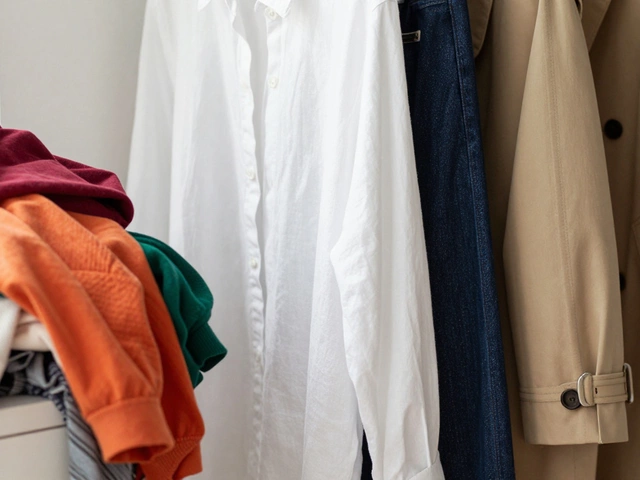
Next, choose your tops. Aim for neutral colors that complement your bottoms. Think white, grey, beige, or soft pastels. A crisp button-down shirt can be worn tucked in for a nice lunch or left open over a t-shirt for a casual vibe. A high-quality knit sweater adds warmth and style. Maybe throw in a patterned blouse if you want a pop of personality, but ensure it matches at least two of your bottoms. The goal is cross-compatibility. Every top should work with every bottom.
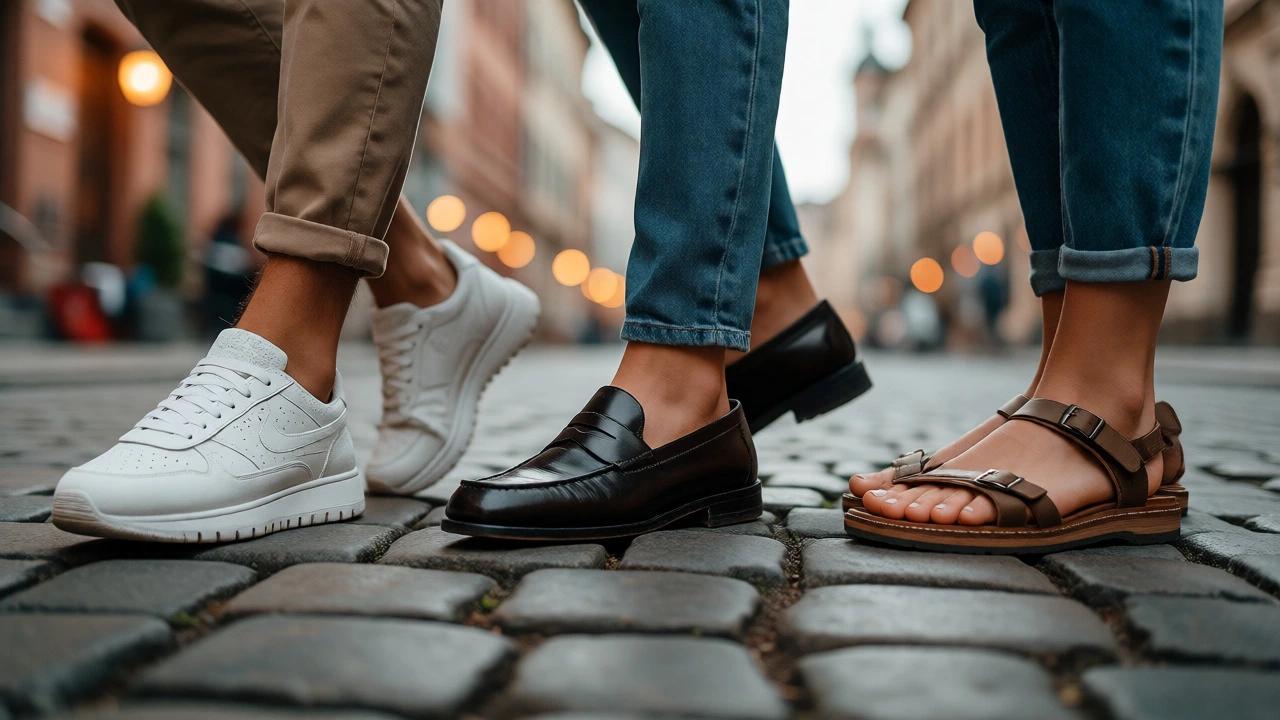
Finally, tackle the hardest part: shoes. Shoes take up the most space and weight. Stick to three pairs max. One pair of comfortable walking sneakers or trainers. One pair of versatile boots or loafers that can handle slightly nicer venues. And one pair of sandals or flats for hot days or beach visits. Wear the bulkiest pair on the plane or train to save space in your bag. Remember, if you can’t walk five miles in them, leave them at home.
Why Three Days? The Logic Behind the Timeline
You might wonder, why three days? Why not four or five? The number three aligns perfectly with human behavior and laundry logistics. In three days, you rarely need to do laundry if you’re smart about hygiene. You can rotate outfits, air out clothes, and use spot cleaning techniques. Once you hit day four, sweat and oils build up, forcing you to wash something. By sticking to a three-day window, you avoid the hassle of finding a laundromat or hand-washing underwear in a hotel sink.
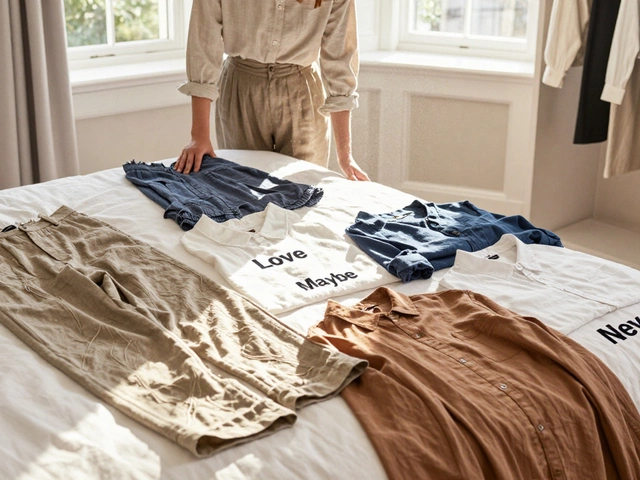
Also, psychologically, three feels manageable. Five items per category starts to feel like a chore to organize. Three is easy to visualize. You can lay them out on a bed in seconds. This clarity reduces stress before you even leave the house. If your trip is longer than three days, don’t panic. You simply repeat the cycle. Wash your socks and underwear at night, hang your shirts, and re-wear your clean items. The rule scales easily because it relies on rotation, not accumulation.
Building Outfits: The Math of Mix-and-Match
With three tops, three bottoms, and three pairs of shoes, how many outfits do you actually get? Let’s do the math. Each top can pair with each bottom. That’s 3 x 3 = 9 base combinations. Add in the different shoe options, and you have plenty of variety. Even if you stick to two shoes per outfit, you still have dozens of distinct looks. You won’t look like you’re wearing the same thing every day.
Consider this scenario: Day 1, you wear jeans, a white tee, and sneakers. Day 2, you switch to chinos, the same white tee, and loafers. Suddenly, you look polished and professional. Day 3, you wear the skirt, a patterned blouse, and sandals. Different vibe entirely. Layering helps too. Bring a light jacket or cardigan (which doesn’t count toward the 3-3-3 core if you wear it while traveling) to change the silhouette. Accessories like a belt or a scarf can also transform an outfit without adding bulk.
| Day | Top | Bottom | Shoes | Vibe |
|---|---|---|---|---|
| Day 1 | White T-Shirt | Dark Jeans | Sneakers | Casual Sightseeing |
| Day 2 | Button-Down Shirt | Chinos | Loafers | Nice Dinner/Work |
| Day 3 | Knit Sweater | Skirt | Ankle Boots | Cozy & Chic |
Common Mistakes to Avoid
The biggest mistake people make is ignoring the weather. The 3-3-3 rule assumes you’ve checked the forecast. If you pack three heavy sweaters for a tropical beach trip, you’re failing the rule before you start. Always tailor your fabric choices to the destination. Linen and cotton breathe in heat; wool layers well in cold. Another trap is packing single-use items. If a dress only works for one specific event and takes up half your bag, skip it. Can you achieve the same look with a nice top and trousers? Usually, yes.
Don’t forget undergarments and sleepwear. These aren’t counted in the 3-3-3 main categories, but they eat up space. Roll them tightly or use packing cubes. For socks, bring three pairs and wash one pair each night if needed. Underwear follows the same logic. Hygiene matters more than having fresh clothes every single hour. Most modern fabrics dry overnight, so a quick rinse in the shower and hanging them up often suffices.
Adapting the Rule for Different Travel Styles
Does this work for business trips? Absolutely. Swap the jeans for slacks, the t-shirts for blouses or dress shirts, and the sneakers for dress shoes. The structure remains the same. For backpacking through Southeast Asia, prioritize quick-dry synthetic materials. Your "three bottoms" might be convertible hiking pants that turn into shorts. Your shoes might be trail runners that double as camp shoes.
What about weddings or formal events? This is where the rule bends slightly. You might swap one casual bottom for a formal dress or suit piece. Or, you might accept that one of your three tops is strictly formal. The key is intentionality. Don’t pack a ballgown for a beach vacation unless you plan to dance in it daily. Keep the spirit of minimalism alive by questioning every item’s utility.
Tips for Success
- Stick to a Color Palette: Choose a base color (like navy or black) and two accent colors. This ensures everything matches.
- Fabric Matters: Choose wrinkle-resistant materials. Cotton blends, merino wool, and synthetics survive being crumpled in a bag better than pure linen or silk.
- Wear Your Bulkiest Items: Put on your heaviest jacket and largest shoes during transit. This frees up precious space in your carry-on.
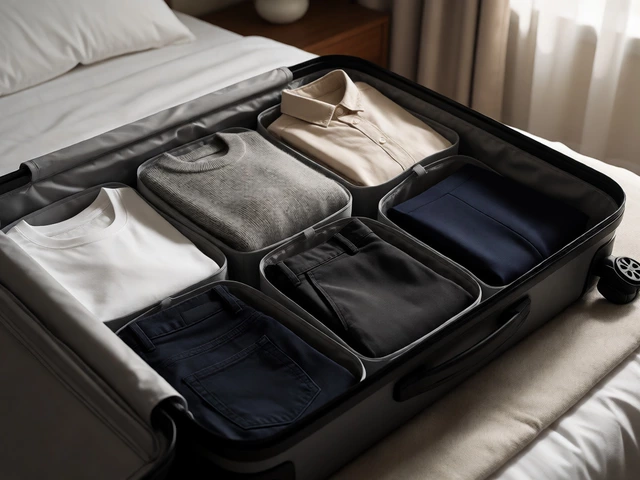
- Use Packing Cubes: They compress clothes and keep your three tops separate from your three bottoms, making unpacking easier.
- Spot Clean: Carry a small stain remover pen. Dealing with a coffee spill immediately saves the garment for later use.
Embracing the 3-3-3 rule changes how you view your closet. It teaches you to value quality over quantity. You stop buying fast fashion pieces you wear once and start investing in items that serve multiple purposes. Next time you pack, try counting your items. If you exceed three in any category, ask yourself if you really need it. Chances are, you don’t.
Can I use the 3-3-3 rule for a week-long trip?
Yes, but you will need to do laundry. For a seven-day trip, stick to the 3-3-3 core items and plan to wash your socks, underwear, and one set of clothes halfway through the week. Many hotels offer laundry services, or you can hand-wash items in the sink using travel soap.
What if my destination has unpredictable weather?
Layering is your best friend. While the rule counts three tops, you can include a lightweight waterproof jacket or a warm cardigan as a fourth layer that you wear during travel or keep handy. Focus on fabrics that regulate temperature, like merino wool, which stays warm when wet and cool when dry.
Do accessories count towards the 3-3-3 limit?
No, accessories like belts, jewelry, scarves, and hats are usually excluded from the core count because they add negligible weight and volume. However, keep them minimal. Two or three versatile accessories can transform your outfits without cluttering your bag.
Is this rule suitable for families with kids?
For adults, yes. For children, you may need to adjust the numbers slightly due to higher likelihood of spills and messes. Consider adding one extra top or bottom for kids, or pack reusable bibs and wipes to minimize clothing changes. Parents can still follow the rule themselves to reduce overall luggage weight.
What if I attend a formal event on a short trip?
You can swap one casual item for a formal piece. For example, replace one pair of jeans with a dressy trouser or a cocktail dress. Alternatively, choose one top that is sophisticated enough to pass as evening wear when paired with dressier shoes and accessories. Planning ahead prevents last-minute shopping.