Minimalism Impact Calculator
Enter your current habits to see how much money and time you could save by applying core minimalist principles.
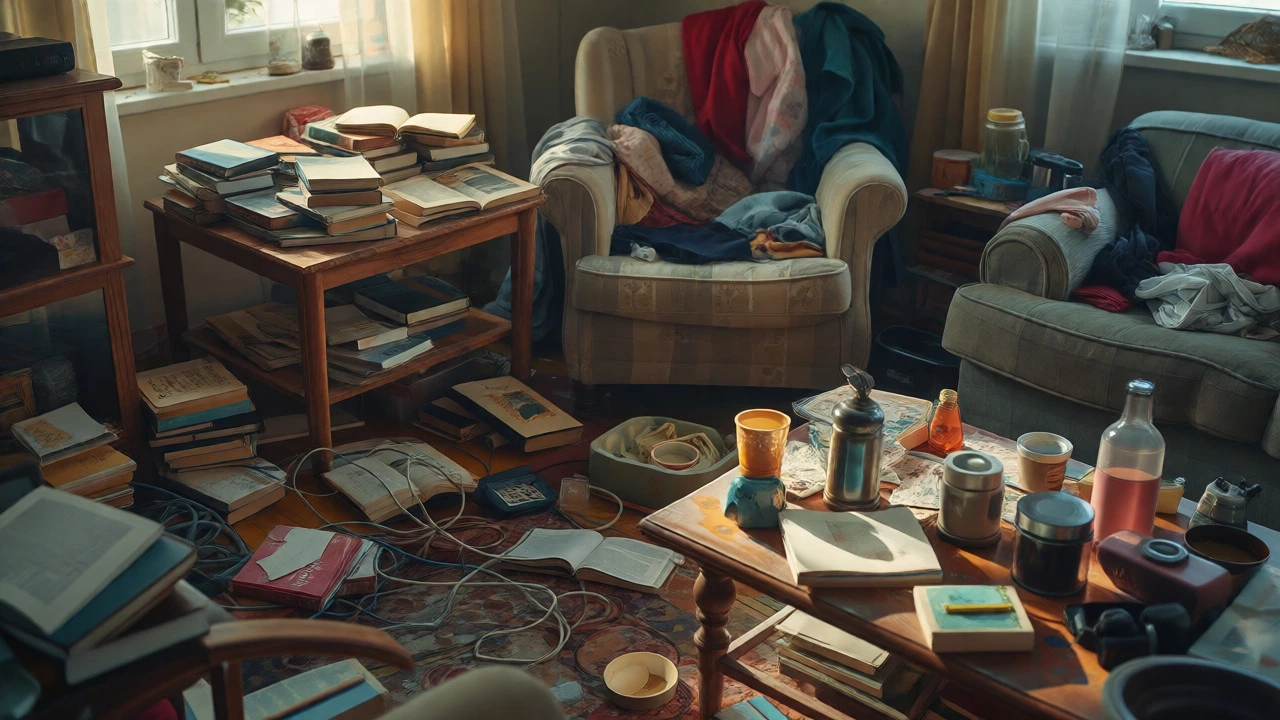
You look around your living room and feel a tightness in your chest. It’s not anxiety about work or bills; it’s the sheer volume of stuff. The half-read books on the side table, the clothes you haven’t worn in three years, the kitchen gadgets that do one specific thing poorly. You’ve heard about minimalism, but it feels like an extreme sport for people who own twelve items total. You don’t want to live in an empty white box. You just want peace.
Here is the truth: minimalism isn’t about owning less for the sake of suffering. It’s about removing distractions so you can focus on what actually matters. It is a tool, not a religion. If you are ready to stop drowning in clutter but don’t know where to begin, this guide breaks down exactly how to start practicing minimalism without turning your life upside down overnight.
The Core Philosophy: Subtraction Over Addition
Most people approach decluttering by asking, "Do I want to keep this?" This question is dangerous because it triggers loss aversion. We overvalue things we already own simply because they are ours. To start minimalism, you need to flip the script. Ask yourself instead: "Does this item serve a purpose or bring me joy right now?"
Minimalism is a lifestyle choice focused on intentionality, prioritizing quality over quantity, and reducing material possessions to free up time and mental space. It is not about deprivation. Think of it as editing your life. Just as a good editor cuts unnecessary words to make a story clearer, you cut unnecessary objects to make your life clearer. When you remove the noise, the signal gets louder. That might be your hobby, your family, or simply the ability to find your keys in under ten seconds.
This shift requires a change in mindset before you touch a single object. You have to accept that letting go doesn’t mean admitting failure. Buying that yoga mat didn’t make you lazy; it was an optimistic purchase for a version of yourself you hoped would emerge. Now, you’re honoring the current version of yourself by acknowledging the mat is collecting dust.
Start Small: The One-Room Rule
The biggest mistake beginners make is trying to declutter the entire house in one weekend. This leads to decision fatigue and burnout. Instead, pick one small area. The bathroom is often the best starting point. Why? Because the stakes are low, and the results are immediate. You don’t have sentimental attachments to expired shampoo or old toothbrushes.
- Set a timer: Work for 15 minutes only. When the timer goes off, you stop. No exceptions.
- Use three boxes: Label them Keep, Donate/Sell, and Trash.
- The 'Maybe' Box: If you are stuck, put the item in a sealed box with today’s date. If you haven’t opened it in six months, donate it unopened.
Once you finish the bathroom, you get a dopamine hit from seeing the clear counter. That feeling is fuel. Use it to tackle the next small zone, like a junk drawer or a bookshelf. Do not move to the bedroom until you have successfully cleared a smaller space. Building momentum is more important than speed.
The Wardrobe Reset: Quality Over Quantity
Your closet is usually the hardest place to start because our identity is tied to what we wear. However, a streamlined wardrobe saves money and reduces daily stress. Studies suggest we wear only 20% of our clothes 80% of the time. Finding those 20% is your goal.
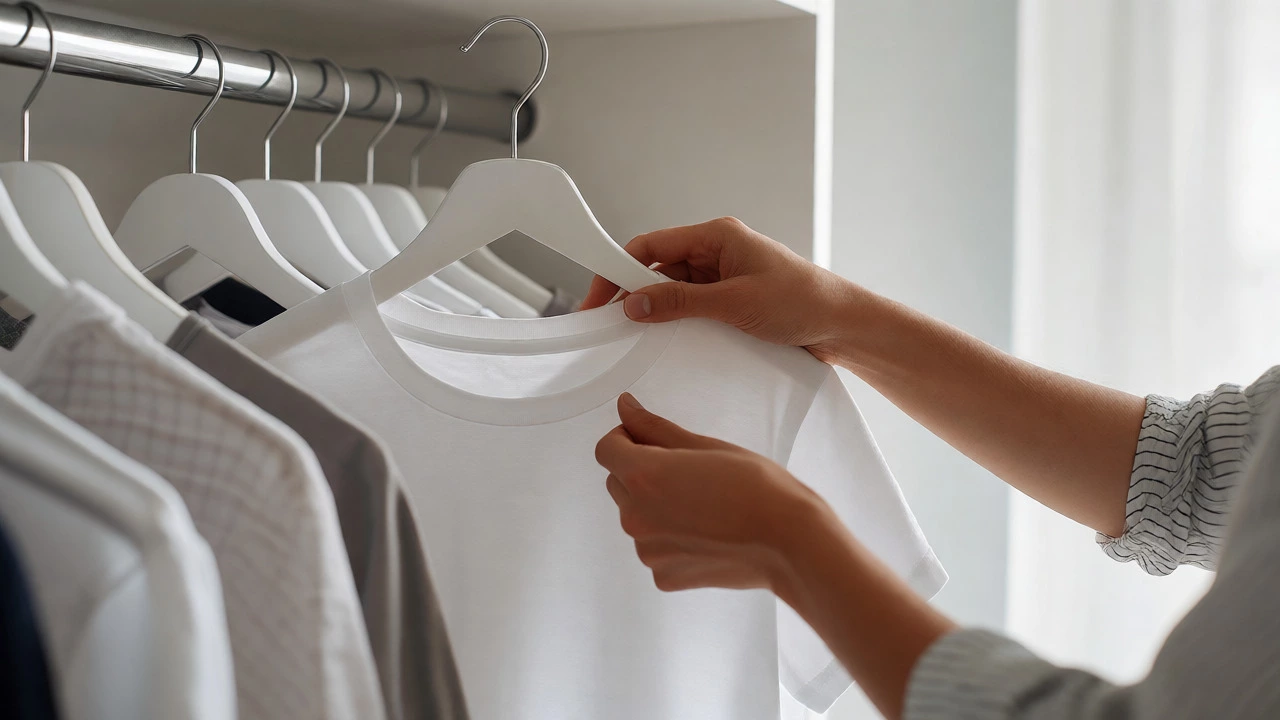
Try the "Hanger Trick." Turn all your hangers backward. As you wear and wash an item, turn the hanger forward. After three months, any hanger still facing backward hasn’t been touched. Those are candidates for removal. Be ruthless with items that don’t fit your current body or lifestyle. Keeping clothes for a hypothetical future weight loss or job interview is keeping ghosts, not garments.
| Category | Keep If... | Ditch If... |
|---|---|---|
| Basics | Fits perfectly now; high-quality fabric | Pilling, faded, or uncomfortable |
| Trends | You wear it weekly | You bought it because it was cheap |
| Sentimental | It has a specific story you tell often | It belongs to a past version of you |
Curating Digital Clutter
Physical clutter is visible, but digital clutter drains your battery-both your phone’s and your brain’s. Minimalism applies to your inbox and apps too. Unsubscribe from newsletters you never read. Delete apps you haven’t opened in a month. Turn off non-human notifications. If a human isn’t trying to reach you, let it wait.
Organize your desktop files into folders based on projects, not dates. A clean home screen with five essential apps reduces the friction of starting your day. You’ll notice fewer accidental scrolls through social media when there’s nothing screaming for your attention. This practice is called digital minimalism, a concept popularized by Cal Newport, which argues that technology should support your values, not dictate your attention.
The Cost of Convenience: Embracing Friction
We buy things to save time, but often we end up spending more time managing those things. Consider the subscription services you pay for monthly. Are you actually using them? Cancel the ones you haven’t used in the last two billing cycles. This creates financial clarity and reduces the mental load of remembering renewals.
Apply the same logic to food. Stop buying pre-cut fruits and vegetables if you have a knife. Stop buying individual snack packs if you eat at home. These conveniences add up in cost and packaging waste. Minimalism encourages doing things yourself when it brings satisfaction, and outsourcing when it truly frees up valuable time. There is no rule against hiring help, but ask if you are paying for convenience or avoiding discomfort.

Maintaining the Lifestyle: The One-In-One-Out Rule
Getting rid of stuff is easy; staying minimalist is hard. Without a system, clutter creeps back in. The most effective maintenance strategy is the One-In-One-Out rule. For every new item you bring into your home, an old one must leave. This forces you to evaluate the value of new purchases before you buy them.
If you buy a new shirt, an old one goes to charity. If you buy a new book, an old one goes to the library or a friend. This prevents accumulation. It also makes shopping more intentional. You won’t impulse buy a gadget if you know you have to part with something else to make room for it. You become a curator of your life, not a collector of accidents.
Common Pitfalls to Avoid
Don’t fall into the trap of "minimalist aesthetic" shopping. Buying expensive, sleek organizers to store your clutter is not minimalism; it’s hiding. The goal is to reduce the amount of stuff, not just organize it better. Also, avoid judging others. Your partner or roommate may not share your urge to purge. Respect their pace. Minimalism is personal. What feels light to you might feel empty to them.
Finally, don’t throw away everything at once. Sentimental items require extra care. Create a "memory box" limited to one container per person. Fill it with photos, letters, and tokens that truly matter. Everything else can be photographed and discarded. You keep the memory without the physical burden.
Frequently Asked Questions
Is minimalism expensive?
No, it usually saves money. By stopping impulse buys and focusing on quality, you spend less over time. However, high-quality durable goods can have a higher upfront cost, but they last longer.
What if I have kids or pets?
You don’t need to live in a sterile environment. Focus on functional minimalism. Rotate toys to reduce visual chaos, use bins for quick cleanup, and prioritize durability over aesthetics for furniture. Kids benefit from having fewer choices, which can reduce decision fatigue and tantrums.
How long does it take to see results?
You will see immediate visual results after clearing a single drawer. Mental clarity often follows within weeks. Full transformation takes months or years, depending on your starting point. Consistency beats intensity.
Can I sell my items online?
Yes, but beware of the "listing trap." Spending hours photographing and listing low-value items can negate the time savings of minimalism. For low-value items, donation is often faster and more rewarding. Sell only high-value items like electronics or designer clothes.
What is the difference between minimalism and frugality?
Frugality focuses on saving money, often by buying cheap or second-hand items regardless of need. Minimalism focuses on intentionality. A minimalist might buy an expensive, high-quality coat that lasts ten years, while a frugal person might buy three cheap coats that fail quickly. They overlap, but their goals differ.