Minimalism Decision Helper
Not sure what to do with that item? Answer these three questions to apply the "Four Ds" framework from our guide.
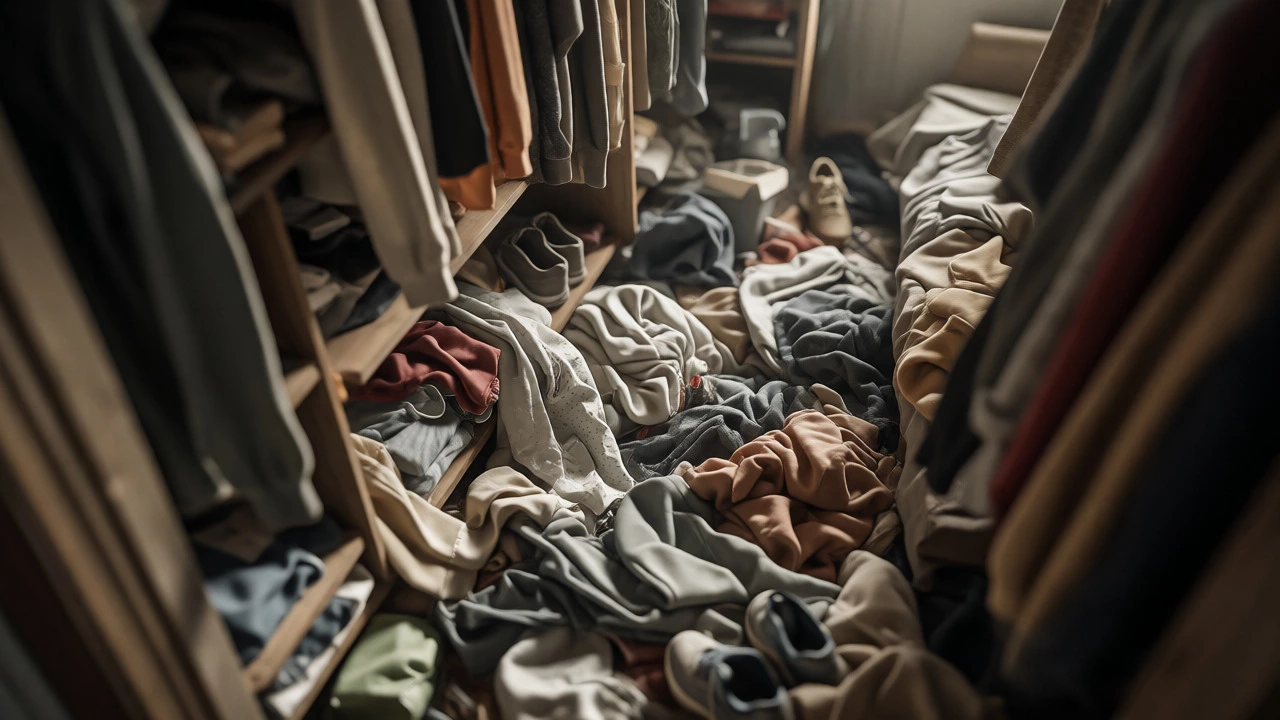
You open your closet. It’s full. Yet you have "nothing to wear." You walk into your kitchen. The counters are clear, but the drawers are chaos. This isn’t just about mess; it’s about decision fatigue. Every object in your home demands a tiny bit of mental energy just by existing. Minimalism is a lifestyle choice that prioritizes intentionality over accumulation, helping you reclaim space and peace. But how do you actually decide? Do you keep the gift from your aunt? What about the t-shirt with the small stain? Let’s cut through the noise and look at exactly what stays and what goes.
The Core Filter: Does It Serve Your Current Life?
Most people struggle because they make decisions based on past identities or future fantasies. You’re not keeping those running shoes for the runner you were ten years ago. You’re not keeping the formal wear for the gala you might attend in five years. You need to ask one question: Does this item serve my life today?
This sounds simple, but it’s brutal. If an item doesn’t fit your current body, your current job, or your current hobbies, it’s dead weight. I live in Wellington, where the wind can knock you over. I don’t keep three heavy winter coats if I only wear one. That extra coat takes up shelf space and mental bandwidth. If you haven’t used something in six months, be honest with yourself. You probably won’t use it again. The exception? Seasonal items like holiday decorations or specific sports gear. But even then, limit them to one set. Having five different sets of Christmas lights means four of them are just storage problems waiting to happen.
The Wardrobe Audit: Fit, Fabric, and Frequency
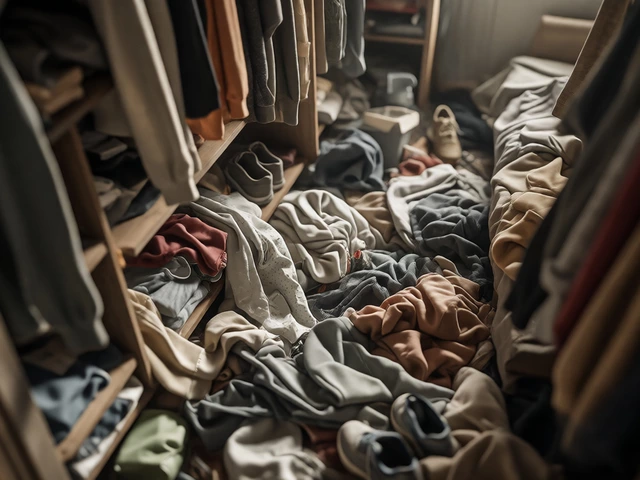
Your clothes are usually the biggest clutter culprit. Start with the hanger trick. Turn all your hangers backwards. After you wear an item, hang it back facing forwards. In six months, see which ones are still backwards. Those are your candidates for donation or disposal.
When holding an item, check three things:
- Fit: If it doesn’t zip easily or feels tight when you sit down, let it go. Tailoring costs money and time. Unless it’s a high-value suit or dress you love deeply, buy new when needed.
- Fabric: Check for pilling, stretching, or fading. Synthetic fabrics often lose their shape after twenty washes. If your favorite leggings are sheer, toss them. No amount of sentiment fixes poor fabric quality.
- Frequency: Did you wear it last month? If not, why? Is it uncomfortable? Unflattering? Hard to pair? If you can’t answer quickly, it’s out.
Don’t keep things "just in case" you gain or lose weight. That’s emotional baggage disguised as clothing. Keep a few versatile basics that fit well now, and let go of the rest.
Kitchen and Home Goods: The Rule of One
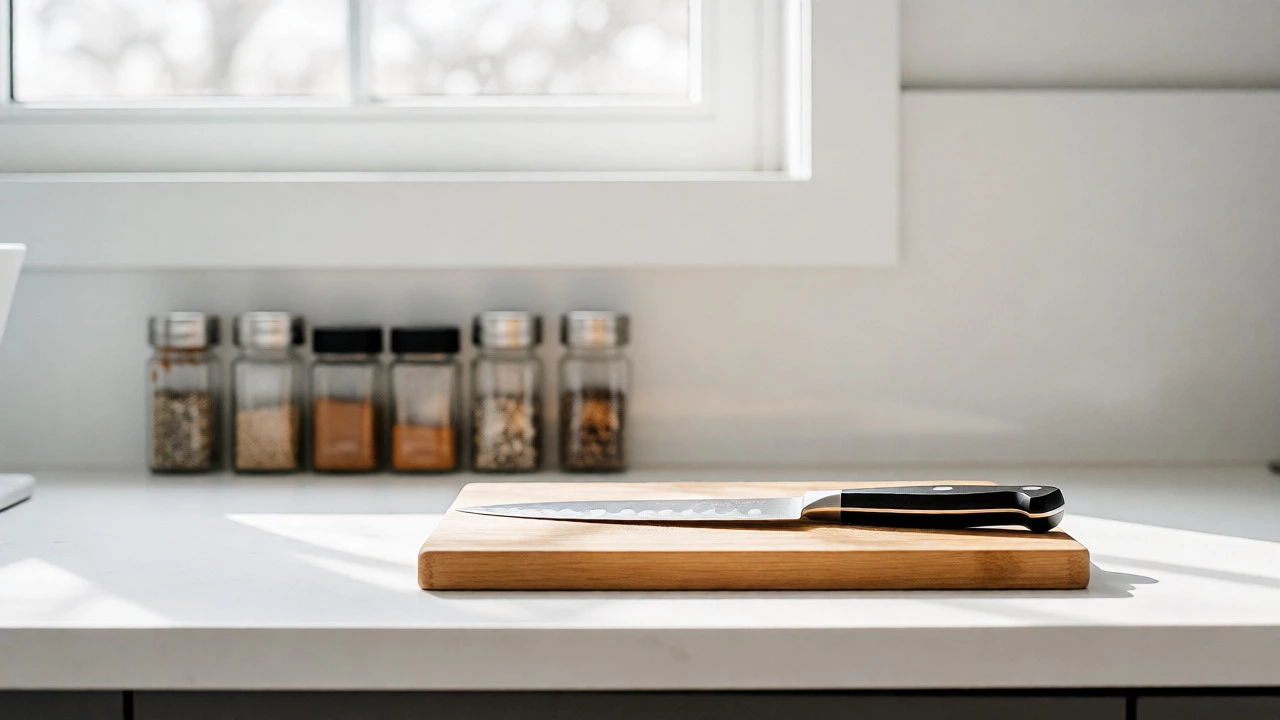
Kitchens accumulate gadgets faster than any other room. Do you really need a garlic press, a kiwi slicer, and an avocado splitter? Most of these tools do one thing poorly. A good chef’s knife does everything better.
Adopt the Rule of One. For most categories, you only need one functional item. One toaster. One blender. One vacuum cleaner. If you have two blenders, one is redundant. Sell it. Donate it. Give it to a friend who needs it. This rule applies to cookware too. You don’t need twelve pots if you only cook for two people. Three saucepans and a large stockpot cover 95% of meals.
Check expiration dates ruthlessly. Spices lose flavor after two years. Flour goes rancid. Canned goods expire. Open the cupboard and smell your spices. If they don’t smell strong, throw them out. They aren’t adding value to your cooking. Same with pantry staples. If you bought quinoa because you thought you’d eat it, but it’s been sitting there since 2024, compost it. Stop buying bulk quantities of things you don’t regularly consume.
Sentimental Items: Curate, Don’t Hoard
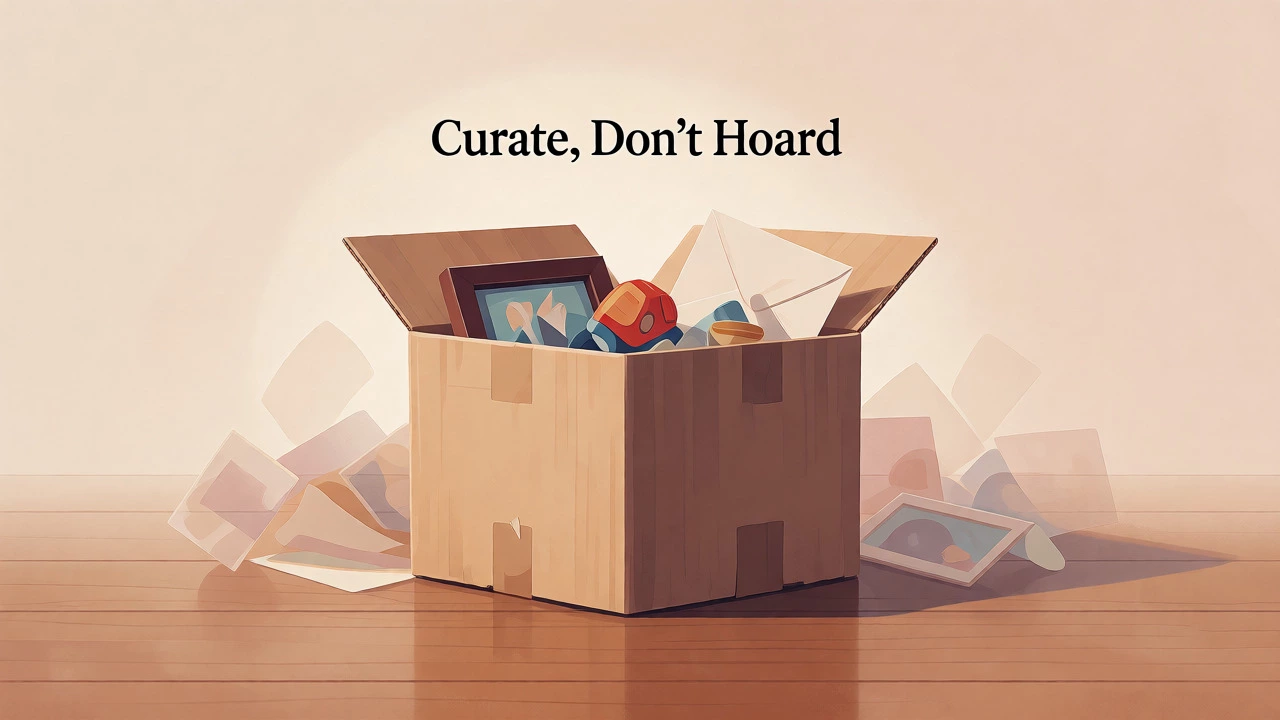
This is where minimalism gets hard. We attach memories to objects. The ticket stub from your first date. The broken toy from your childhood. The letter from a friend who moved away. Here’s the truth: the memory lives in you, not in the object. Keeping every memento turns your home into a museum of your past, leaving no room for your present.
Try this approach:
- Digitize: Take photos of bulky sentimental items. Scan letters and artwork. Store them in a cloud folder labeled by year or person. Delete the physical copies if they take up too much space.
- Limit Volume: Choose one box for sentimental items. Not a closet. A single, medium-sized storage bin. When the box is full, you must remove something to add something new. This forces curation.
- Display Best: Only display items that genuinely spark joy or inspiration daily. If you have to dig through a drawer to find a photo, it’s not serving its purpose. Put the best three on a shelf. Box the rest or let them go.
Remember, you are not betraying your history by letting go of stuff. You’re honoring it by making space for new experiences.
Digital Clutter: The Invisible Weight
We forget that digital files weigh us down too. Thousands of screenshots, duplicate photos, and old documents create visual noise every time you open your laptop. Digital minimalism requires the same rigor as physical decluttering.
Start with your phone. Delete apps you haven’t opened in three months. Unsubscribe from newsletters you never read. If you don’t open an email within thirty seconds of receiving it, you likely won’t read it. Hit delete immediately.
For photos, use the "burst mode" cleanup. If you took ten photos of the same sunset, keep the best one. Delete the other nine. Do this weekly. It prevents thousands of duplicates from accumulating. For documents, scan important papers (tax returns, contracts) and shred the originals. Use descriptive file names so you can search for them later. "Scan_2026_TaxReturn.pdf" is better than "IMG_001.jpg".
Decision Framework: The Four Ds
When you’re stuck on an item, run it through the Four Ds. This quick checklist stops overthinking.
| Action | Criteria | Example |
|---|---|---|
| Delete/Discard | Broken, expired, damaged beyond repair, or trash. | Old receipts, broken chargers, empty bottles. |
| Donate/Sell | Good condition but doesn’t fit your life or style. | Clothes that don’t fit, books you’ve read, unused gadgets. |
| Delegate/Store | Needed occasionally but takes up prime space. | Seasonal decor, camping gear, tax archives. |
| Decide Later | Truly uncertain items. Limit this category strictly. | A complex legal document, a gift you’re unsure about. |
Use "Decide Later" sparingly. Create a "Maybe Box" for these items. Seal it, write the date on it, and put it in the garage or attic. If you haven’t opened it in six months, donate the whole box unopened. This removes the guilt of individual decisions.
Maintaining the System: Avoiding the Rebound
Decluttering is a project; minimalism is a habit. To avoid rebound clutter, change your input habits. Before buying anything new, apply the "one-in, one-out" rule. If you buy a new shirt, an old one leaves. If you bring home a new book, give one away. This keeps volume constant.
Also, watch out for "free" stuff. Free magazines, free samples, free promotional tote bags-these are Trojan horses for clutter. Say no politely. Ask yourself: "If I had to pay $10 for this, would I want it?" If the answer is no, don’t take it.
Schedule a monthly ten-minute reset. Walk through your main living areas. Pick up stray items and return them to their homes. Wipe surfaces. This small maintenance prevents the big weekend cleanups that feel overwhelming.
How long should I wait before throwing away unused items?
A common benchmark is six months to one year. If you haven't used an item in that timeframe, it's unlikely you will in the near future. Exceptions include seasonal items like holiday decorations or specialized sports equipment, which may have longer cycles.
What should I do with items that have sentimental value?
Curate rather than hoard. Digitize photos and documents. Select only the top few items that truly resonate with you to keep physically. Consider creating a memory box limited to one size, forcing you to choose the most meaningful pieces.
Is it okay to throw away gifts?
Yes. Once a gift has been received and appreciated, its purpose is fulfilled. If it doesn't fit your lifestyle or aesthetic, you are free to donate, sell, or recycle it without offending the giver. The relationship matters more than the object.
How do I start decluttering if I feel overwhelmed?
Start small. Choose one drawer or one shelf. Set a timer for 15 minutes. Focus on easy wins like expired products or obvious trash. Building momentum with small successes makes larger tasks feel manageable.
Should I keep duplicates of household items?
Generally, no. Follow the Rule of One for most categories. Keep one functioning item unless you have a specific, frequent need for multiple (e.g., eating utensils). Duplicates often lead to hoarding and wasted space.