Minimalism: Simple Living, Clear Choices, and How It Changes Everyday Life
When we talk about minimalism, a lifestyle focused on reducing excess to prioritize what truly adds value. Also known as simple living, it's not about deprivation—it's about intention. You don't need to live in a white-walled apartment with one chair to be a minimalist. You just need to ask: Does this thing, habit, or thought serve me right now? The real shift happens when you stop collecting things and start collecting experiences, space, and peace.
Minimalism shows up in unexpected places. Take minimalist fashion, a wardrobe built on quality, versatility, and timelessness rather than trends. Also known as capsule wardrobe, it’s not about wearing only black—it’s about wearing what fits your life, not your Instagram feed. This connects directly to sustainable living, a way of consuming less and choosing products that last. Also known as slow consumption, it’s the quiet rebellion against fast fashion, single-use items, and constant upgrades. When you buy less, you waste less. And when you waste less, you feel less guilty.
And then there’s declutter, the physical act of removing what no longer serves you. Also known as home organization, it’s the first step most people take toward minimalism. You don’t need a professional organizer. You need five minutes and the courage to ask: Have I used this in the last year? If not, why is it still here? This isn’t just about closets—it’s about mental space. Every cluttered drawer is a tiny anchor holding you back from clarity. Minimalism doesn’t demand perfection. It asks for honesty. It’s not about having a perfectly tidy house. It’s about knowing why you own what you own.
What you’ll find in these articles isn’t a checklist for becoming a minimalist. It’s proof that minimalism works in real life—whether you’re choosing black clothes because they reduce decision fatigue, eating on a $20 weekly budget because you value freedom over convenience, or gardening with native plants because you’d rather be reading than weeding. These aren’t trends. They’re tools. Tools for living with less noise and more meaning.
How to Start Practicing Minimalism: A Practical Beginner's Guide
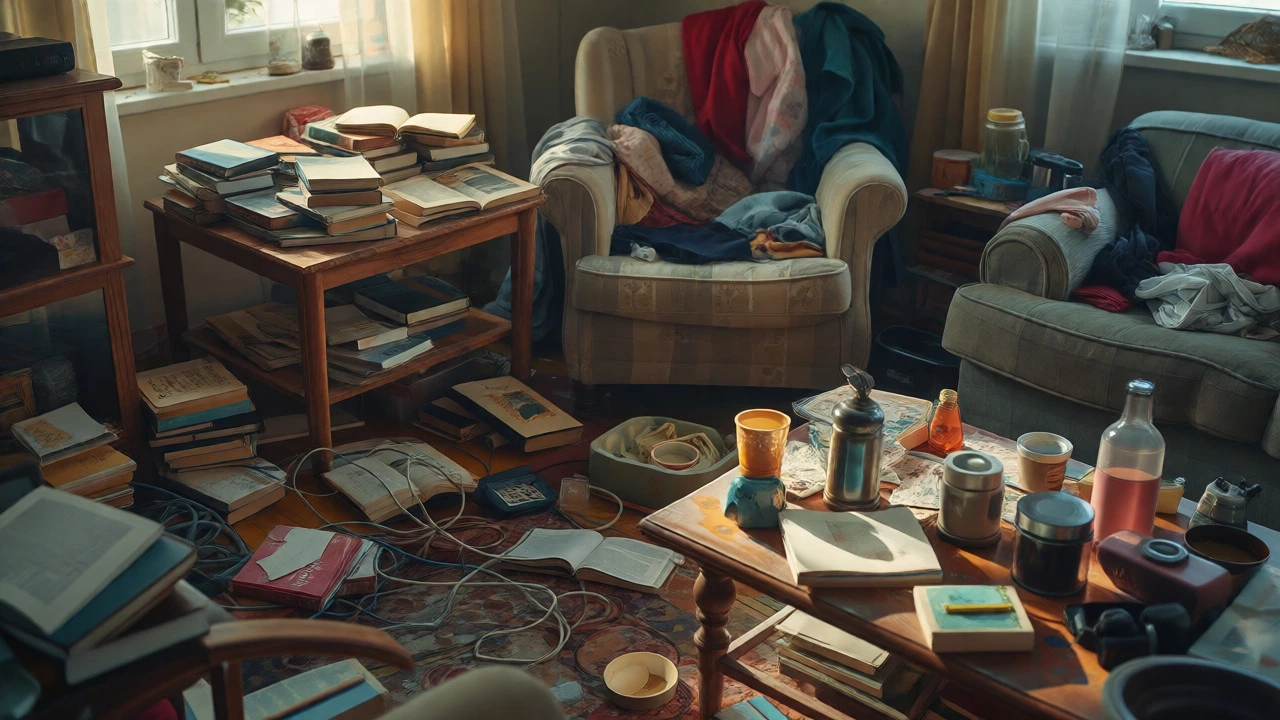
Discover how to start practicing minimalism with practical steps. Learn to declutter intentionally, manage digital noise, and maintain a simple lifestyle.
Do Minimalists Believe in God? Exploring Spirituality in Simple Living
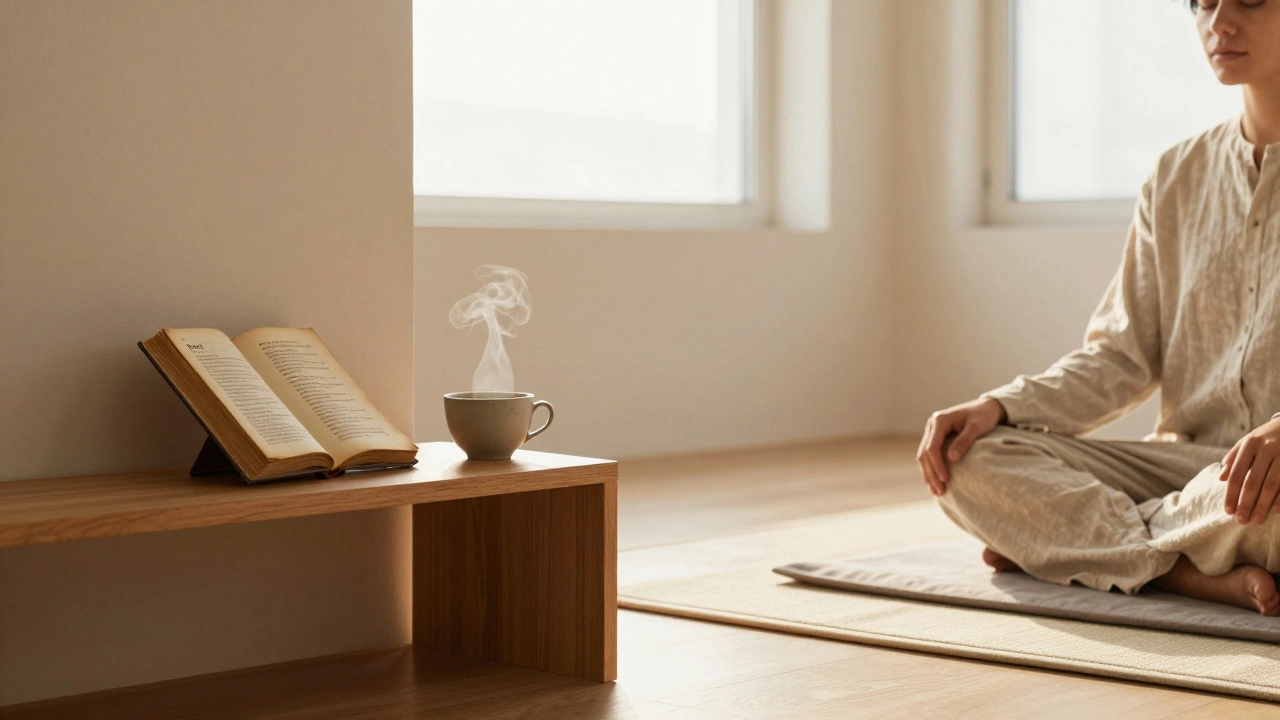
Minimalism isn't about rejecting belief-it's about removing noise to find what truly matters. Some minimalists find God. Others find meaning without it. What they share is intention.
Mastering Minimalism: The 20 20 Rule Explained with Tips for a Simplified Life
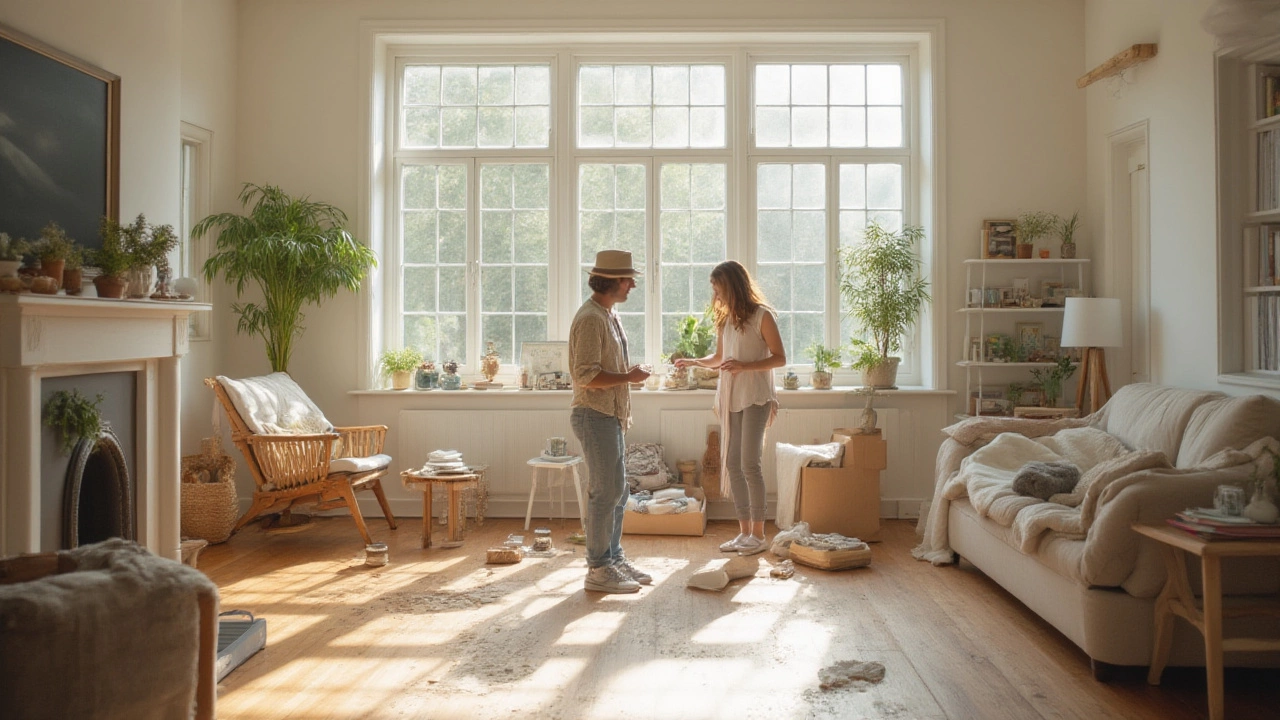
Discover the 20 20 rule in minimalism—what it means, how it works, and real-life tips for decluttering your space and embracing more freedom.
Categories
RECENT POSTS
Are Self-Help Books Good for Mental Health? A Realistic Guide
Explore whether self-help books truly benefit mental health. We analyze the science behind bibliotherapy, distinguish between evidence-based guides and toxic positivity, and provide a practical framework for choosing books that actually work.
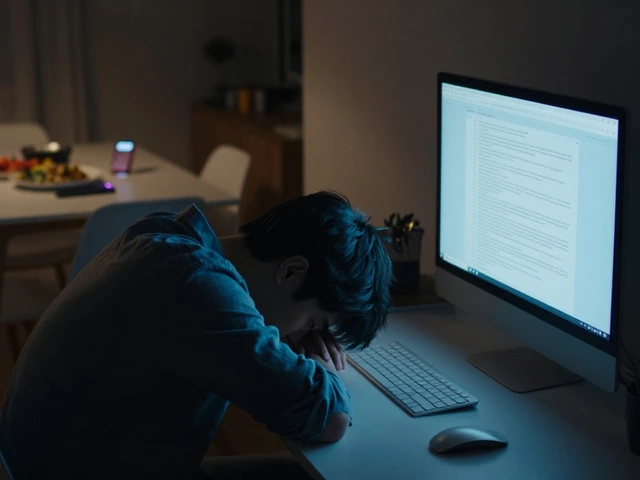
What Is Work-Life Balance? A Practical Guide to Redefining Your Time
Discover what work-life balance truly means in 2026. Move beyond the 50/50 myth and learn practical strategies to prevent burnout, set boundaries, and integrate work and life sustainably.
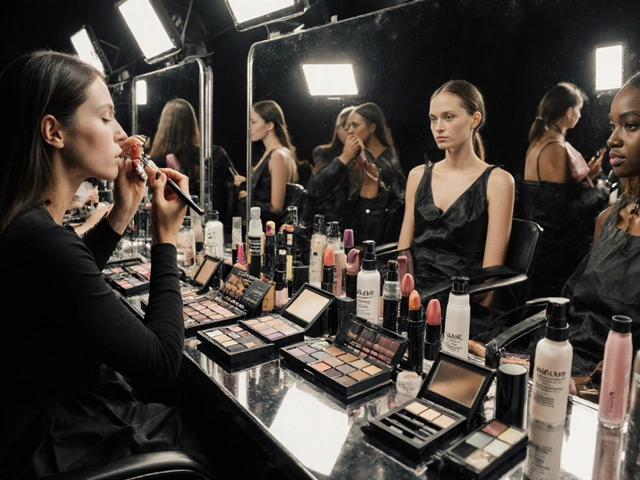
Top Makeup Brands Preferred by Professional Artists
Discover the top cosmetics brands that professional makeup artists trust, how they choose products, budget tips, and upcoming 2025 trends.

4 Essential Food Preparation Controls for Safe Meal Prep
Discover the four key food preparation controls-temperature, cross‑contamination, personal hygiene, and cleaning-to keep meals safe and tasty.
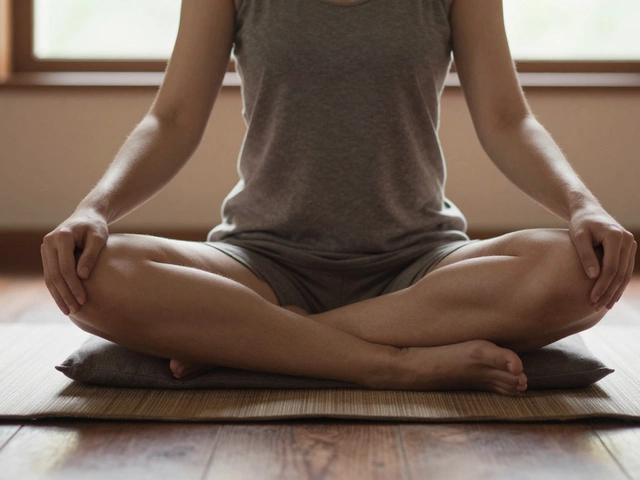
Why Do You Cross Your Legs When Meditating?
Crossing your legs during meditation isn't about tradition-it's about stability and comfort. Learn why this posture works for most people and what alternatives exist if it doesn't suit your body.