e.l.f. Cosmetics Clean Beauty Checker
Define your personal "Clean" criteria below to see how e.l.f. Cosmetics stacks up against your specific needs.
No Parabens
Preservatives linked to hormone disruptionNo Phthalates
Plasticizers often in fragrancesNo Sulfates (SLS/SLES)
Harsh detergents that strip skin barriersNo Synthetic Fragrance
Avoids "Parfum" catch-all termTalc-Free
Avoids potential asbestos contamination riskStrictly Vegan
No animal-derived ingredients (carmine, beeswax)Your Clean Match Score
0%
Verdict & Analysis
Select criteria above to generate a verdict.
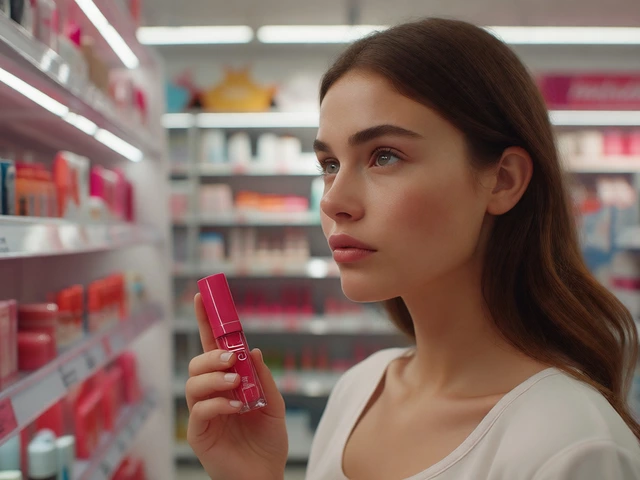
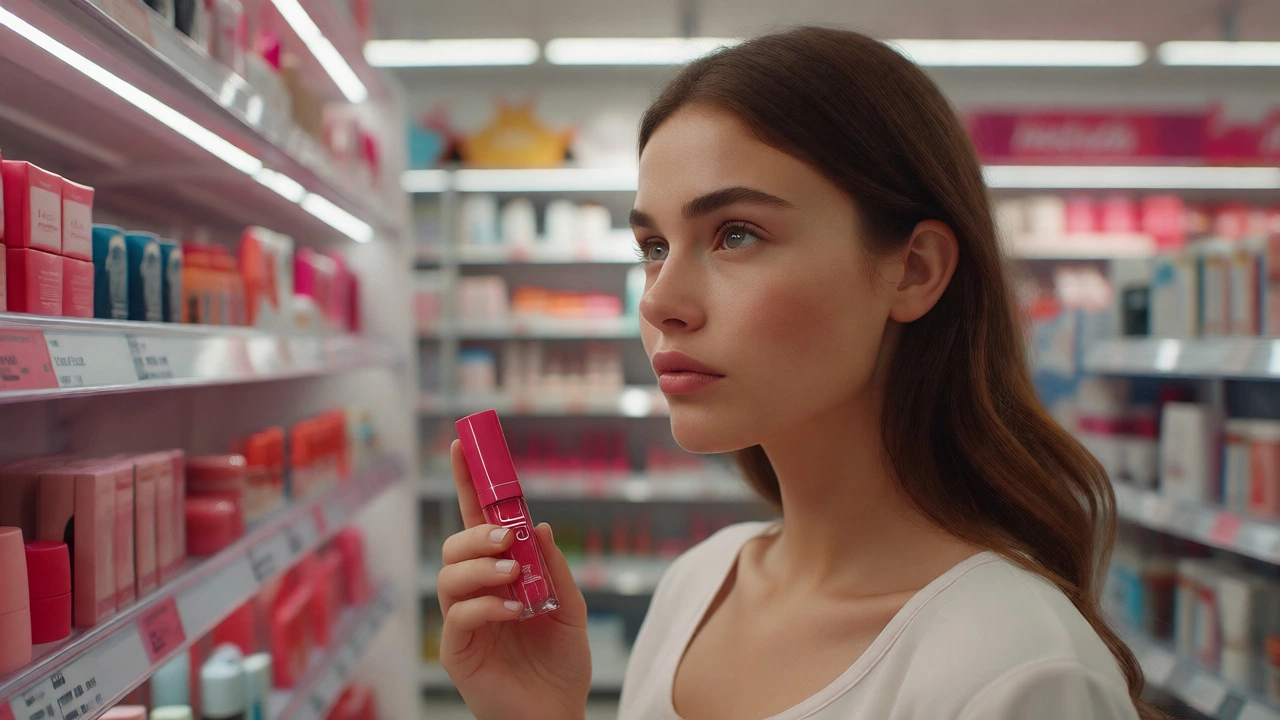
You’re standing in the aisle of your local pharmacy or scrolling through an online retailer, holding a tube of e.l.f. Cosmetics lip gloss that costs less than your morning coffee. You want to buy it because it’s cheap and highly rated, but a nagging thought stops you: Is this actually safe?
The term "clean beauty" has become a marketing buzzword so diluted that it barely means anything anymore. Some brands charge $40 for a mascara because they removed one controversial preservative, while others like e.l.f. sell entire palettes for $10. So, where does e.l.f. stand? Is it a hidden gem of safety, or are we cutting corners on our health to save a few dollars?
Defining "Clean" in the Modern Beauty Industry
Before we judge e.l.f., we need to agree on what "clean" actually means. There is no legal definition enforced by the FDA (in the US) or similar bodies globally. Instead, "clean" usually refers to brands that voluntarily exclude specific ingredients deemed potentially harmful or irritating.
Most clean beauty advocates look for the absence of:
- Parabens: Preservatives linked to hormone disruption.
- Sulfates (SLS/SLES): Harsh detergents that strip skin barriers.
- Phthalates: Plasticizers often found in fragrances.
- Talc: Specifically if not tested for asbestos contamination.
- Fragrance/Parfum: A catch-all term that can hide hundreds of undisclosed chemicals.
Does e.l.f. meet these criteria? For the most part, yes. The brand made a significant pivot years ago to remove parabens and phthalates from their formulations. However, "free-from" doesn't automatically mean "perfect." Let’s look at the specifics.
E.L.F.’s Ingredient Philosophy: What’s Inside?
E.l.f. positions itself as a high-performance brand at an accessible price point. Their formulation team focuses on using common, well-studied ingredients rather than exotic, expensive extracts that might offer marginal benefits. This approach naturally aligns with many "clean" principles because simpler formulas often have fewer potential irritants.
For example, their popular e.l.f. Halo Glow Liquid Filter uses hyaluronic acid and vitamin E-both widely accepted as safe and effective skincare-makeup hybrids. It avoids heavy silicones that clog pores for some users, opting instead for lighter emollients.
However, critics sometimes point out that e.l.f. still uses synthetic dyes and pigments. While these are FDA-approved for cosmetic use, individuals with extreme sensitivity or those who prefer strictly mineral-based makeup might find them lacking. But for the average consumer, these synthetic colorants are rigorously tested for safety.
| Feature | e.l.f. Cosmetics | Traditional Drugstore Brand | Luxury "Clean" Brand |
|---|---|---|---|
| Price Point | $5 - $15 per product | $8 - $20 per product | $30 - $60+ per product |
| Cruelty-Free Status | Certified Leaping Bunny | Varies (often sold in China) | Usually Certified |
| Vegan Options | High percentage (clearly labeled) | Mixed (requires label checking) | Often 100% Vegan |
| Key Exclusions | Parabens, Phthalates, Sulfates | May contain all three | All three + Synthetic Fragrance |
| Packaging Sustainability | Improving (recyclable components) | Often mixed plastics | Glass/Refillable focus |
Cruelty-Free and Vegan: The Ethical Side of Clean
For many consumers, "clean" isn’t just about what goes on your skin; it’s about what happens to animals during production. E.l.f. has been a leader here long before it was trendy. They are certified by the Leaping Bunny Program, which is the gold standard for cruelty-free verification. Unlike some brands that claim "cruelty-free" but sell in mainland China (where animal testing may be required by law), e.l.f. maintains strict control over its supply chain to avoid mandatory testing.
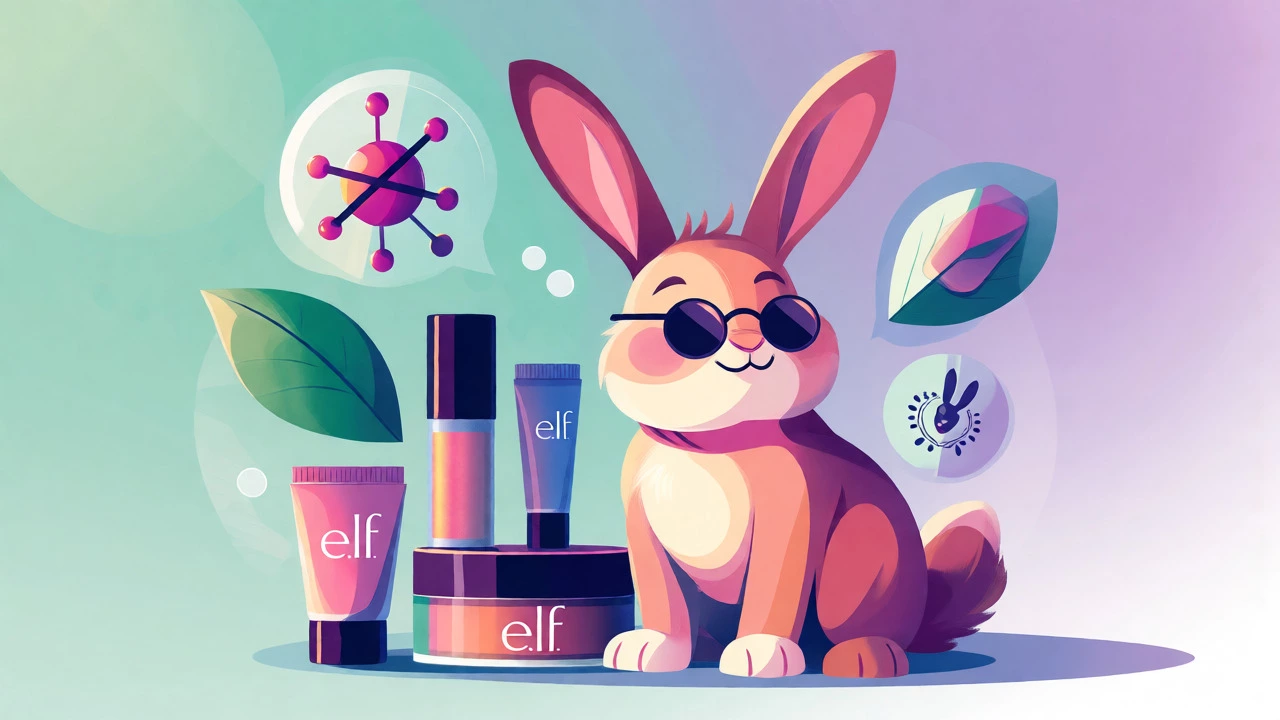
Furthermore, e.l.f. offers a vast array of vegan products. If you see the green bunny logo on the packaging, you know there are no carmine (crushed beetles) in that red lipstick or beeswax in that balm. This transparency helps consumers make ethical choices without needing a chemistry degree.
Are There Hidden Risks? Addressing Common Concerns
No brand is immune to criticism, and e.l.f. is no exception. One common concern involves fragrance. While e.l.f. has reduced fragrance in many lines, some products still contain "parfum." In regulatory terms, this can mask up to 3,000 different chemicals. If you have eczema, rosacea, or severe allergies, always patch-test any new product, regardless of whether it’s marketed as "clean."
Another point of debate is talc. Talc itself is a natural mineral, but it can be contaminated with asbestos if mined poorly. E.l.f. states that their talc-containing products (like some powders) are sourced from mines that test for asbestos. If you are strictly avoiding talc due to recent lawsuits involving other brands, check the ingredient list specifically for "talc." Many of their newer liquid and cream products are talc-free.
How to Spot "Greenwashing" When Shopping for e.l.f.
Be careful not to assume every e.l.f. product is automatically "clean" in the holistic sense. The brand releases hundreds of SKUs (Stock Keeping Units). Just because one foundation is free of parabens doesn’t mean the setting spray next to it is free of drying alcohols.
Here is a quick checklist to ensure you are buying truly clean options from e.l.f.:
- Read the INCI List: Ignore the front-of-pack claims. Turn the box over. Look for ingredients ending in "-cone" (silicones) if you want to avoid them, or "-ate" (preservatives) if you are sensitive.
- Check for the Vegan Logo: Not all cruelty-free products are vegan. If you avoid animal derivatives, look for the specific vegan certification mark.
- Beware of "Natural" Claims: Natural ingredients can still be allergens (like essential oils). "Clean" should mean safe, not necessarily botanical.
- Look for Specific Certifications: Trust third-party seals like Leaping Bunny or PETA’s Global Beauty Without Bunnies over vague marketing text.
The Verdict: Is e.l.f. Truly a Clean Brand?
So, is e.l.f. a clean brand? The answer is nuanced but largely positive. It is not a "pure," organic-only brand like some niche apothecary labels. It is a mainstream brand that has successfully adopted modern clean standards-removing parabens, phthalates, and sulfates-while keeping prices low.
If your definition of clean includes affordability, accessibility, and ethical treatment of animals, e.l.f. scores very high. It proves that you don’t need to spend $50 on a blush to get a formula that is free from questionable endocrine disruptors. However, if your definition requires 100% plant-derived ingredients, zero synthetic dyes, and sustainable glass packaging, e.l.f. might fall short.
For the vast majority of users, e.l.f. represents a safe, ethical, and smart choice. It bridges the gap between budget-friendly convenience and conscious consumption. Just remember: read the labels, know your own sensitivities, and don’t let the low price tag fool you into thinking the quality-or the safety-is compromised.
Is e.l.f. Cosmetics paraben-free?
Yes, e.l.f. Cosmetics formulates its products without parabens. They transitioned away from these preservatives several years ago, replacing them with alternative systems like phenoxyethanol, which is generally considered safe for cosmetic use in regulated concentrations.
Are all e.l.f. products vegan?
No, not all e.l.f. products are vegan. While the brand is 100% cruelty-free, some products contain animal-derived ingredients like beeswax or carmine. However, e.l.f. clearly marks vegan products with a specific logo, making it easy to identify them.
Does e.l.f. test on animals?
No, e.l.f. Cosmetics does not test on animals, nor do they commission third parties to do so. They are certified by the Leaping Bunny Program, which verifies that no animal testing occurs at any stage of product development.
Why is e.l.f. so much cheaper than other clean brands?
E.l.f. keeps costs low by focusing on efficient manufacturing, simple packaging, and direct-to-consumer sales channels. They also use widely available, cost-effective ingredients that are proven to work, rather than sourcing rare or patented compounds that drive up prices.
Is e.l.f. makeup safe for sensitive skin?
Many e.l.f. products are formulated to be non-comedogenic and suitable for sensitive skin. However, individual reactions vary. Those with specific allergies should always check the ingredient list for potential triggers like fragrance or specific botanical extracts before full application.