Beginner's Meal Selector
Select a recipe card below to see ingredients, steps, and why it's perfect for your first attempt.
Egg Fried Rice
⏱️ 10 MinutesThe ultimate blank canvas. Uses leftovers, teaches heat control, and is nearly impossible to mess up.
Sheet Pan Salmon
🥗 One-PanHands-off cooking. Just chop, season, and roast. Zero extra dishes to wash except the pan.
Pasta Aglio e Olio
💰 Budget FriendlyLearn the secret of emulsion using starchy pasta water. Costs pennies but tastes luxurious.
Lentil Soup
📦 Batch PrepPerfect for meal prepping. Durable, nutritious, and improves in flavor after sitting in the fridge.
Egg Fried Rice
Ingredients
Instructions
- Heat oil in a large pan over medium-high heat.
- Scramble two eggs until just set, then remove them.
- Add chopped vegetables and cook until soft.
- Toss in cold rice, breaking up clumps with a spatula.
- Stir in soy sauce and return the eggs. Done.
Sheet Pan Salmon & Veggies
Ingredients
Instructions
- Preheat oven to 200°C (400°F).
- Place salmon and veggies on a single baking tray.
- Drizzle with olive oil, salt, pepper, and lemon juice.
- Roast for 15-20 minutes until veggies are caramelized.
- Serve immediately. Only one pan to clean!
Pasta Aglio e Olio
Ingredients
Instructions
- Cook spaghetti until al dente. Reserve 1 cup of pasta water before draining.
- Sauté sliced garlic and chili flakes in olive oil over low heat until fragrant (don't burn!).
- Add drained pasta to the pan with garlic oil.
- Pour in a splash of reserved pasta water and toss vigorously to create an emulsion.
- Garnish with fresh parsley and serve.
Creamy Lentil Soup
Ingredients
Instructions
- Sauté onions, carrots, and celery slowly until soft (mirepoix base).
- Add red lentils, vegetable stock, and cumin.
- Simmer for 20 minutes until lentils break down into a creamy consistency.
- Blend half of the soup for texture, leave the rest chunky.
- Serve with crusty bread. Freezes perfectly for future meals.
You just moved into your own place. The fridge is empty, the kitchen feels like a science lab you haven't learned to operate yet, and you're staring at a box of pasta wondering if boiling water counts as cooking. We've all been there. Finding what is a good first meal isn't about impressing anyone with a five-course dinner. It's about bridging the gap between 'I need to eat' and 'I don't want to order takeout again.' The best first meal is one that requires minimal equipment, has forgiving timing, and tastes like you actually tried.
The Criteria for Your First Win
Before you even open a cookbook, let's set some ground rules. A good starter meal needs to pass three tests: it must be fast (under 30 minutes), cheap (under $10 per serving), and hard to mess up. If a recipe calls for 'julienne,' 'deglaze,' or 'reduce by half,' put it back on the shelf. You are looking for simplicity, not complexity. Think of this phase as learning to drive in an empty parking lot before hitting the highway. You want confidence, not chaos.
Why does this matter? Because cooking failure leads to reliance on processed food. When you nail a simple dish, your brain releases dopamine. You feel capable. That feeling is the fuel for every future culinary experiment. So, forget the Instagram-perfect avocado toast. Let's look at meals that actually fill you up and teach you basic skills without breaking your spirit.
| Criterion | Why It Matters | Example Dish |
|---|---|---|
| Speed | Prevents hunger-induced decision fatigue. | Stir-fry |
| Simplicity | Reduces the number of pots and pans to clean. | Sheet Pan Chicken |
| Forgiveness | Allows for minor errors without ruining the dish. | Egg Fried Rice |
The Ultimate Starter: Egg Fried Rice
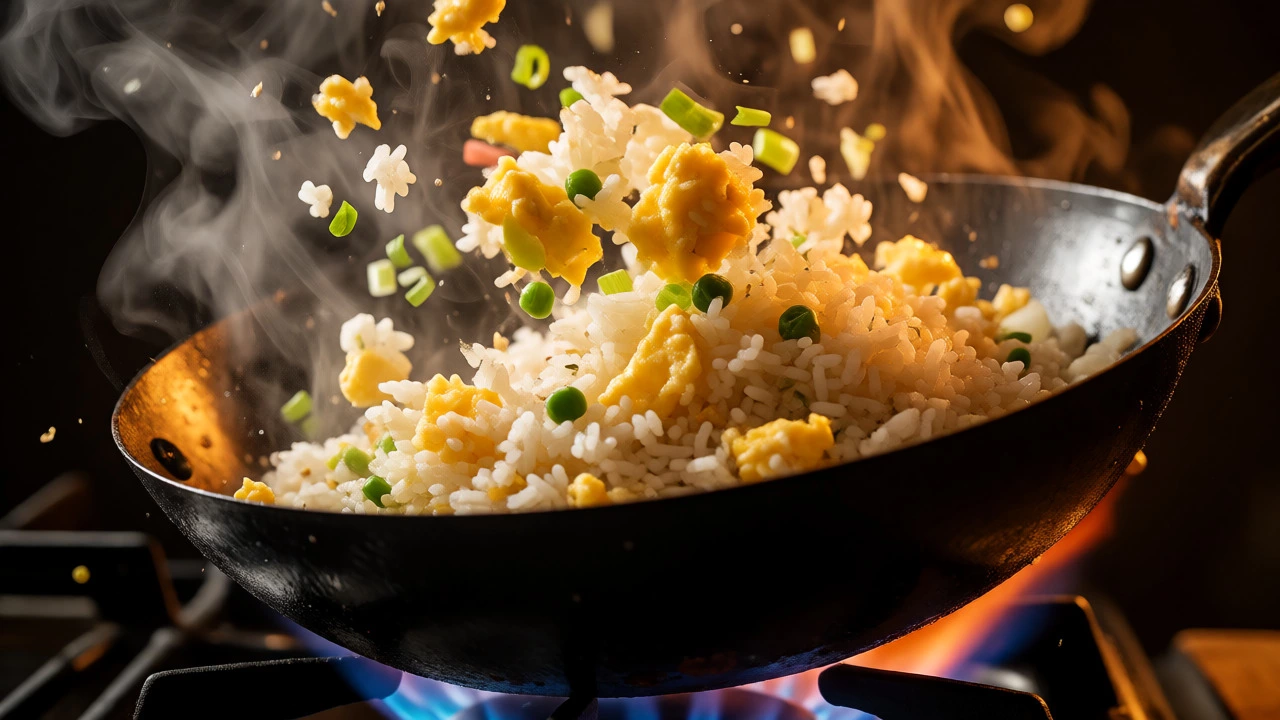
If you only learn one dish, make it egg fried rice. It’s the ultimate blank canvas. It uses leftovers, which saves money, and it teaches you heat control, which is the most important skill in cooking. You don't need fancy ingredients. Just cold cooked rice, eggs, soy sauce, frozen peas, and whatever protein you have lying around-chicken, ham, tofu, or nothing at all.
Here’s why this works so well for beginners. Unlike pasta, where timing is critical, fried rice is flexible. Burnt the garlic? No problem, add more oil. Too salty? Add more rice. It’s a low-stakes environment to practice tossing food in a pan. Plus, it takes ten minutes from start to finish. In Wellington, where rain can hit suddenly, having a hot, savory bowl ready in no time is a genuine comfort.
- Step 1: Heat oil in a large pan over medium-high heat.
- Step 2: Scramble two eggs until just set, then remove them.
- Step 3: Add chopped vegetables and cook until soft.
- Step 4: Toss in cold rice, breaking up clumps with a spatula.
- Step 5: Stir in soy sauce and return the eggs. Done.
One-Pan Wonders: Sheet Pan Salmon and Veggies
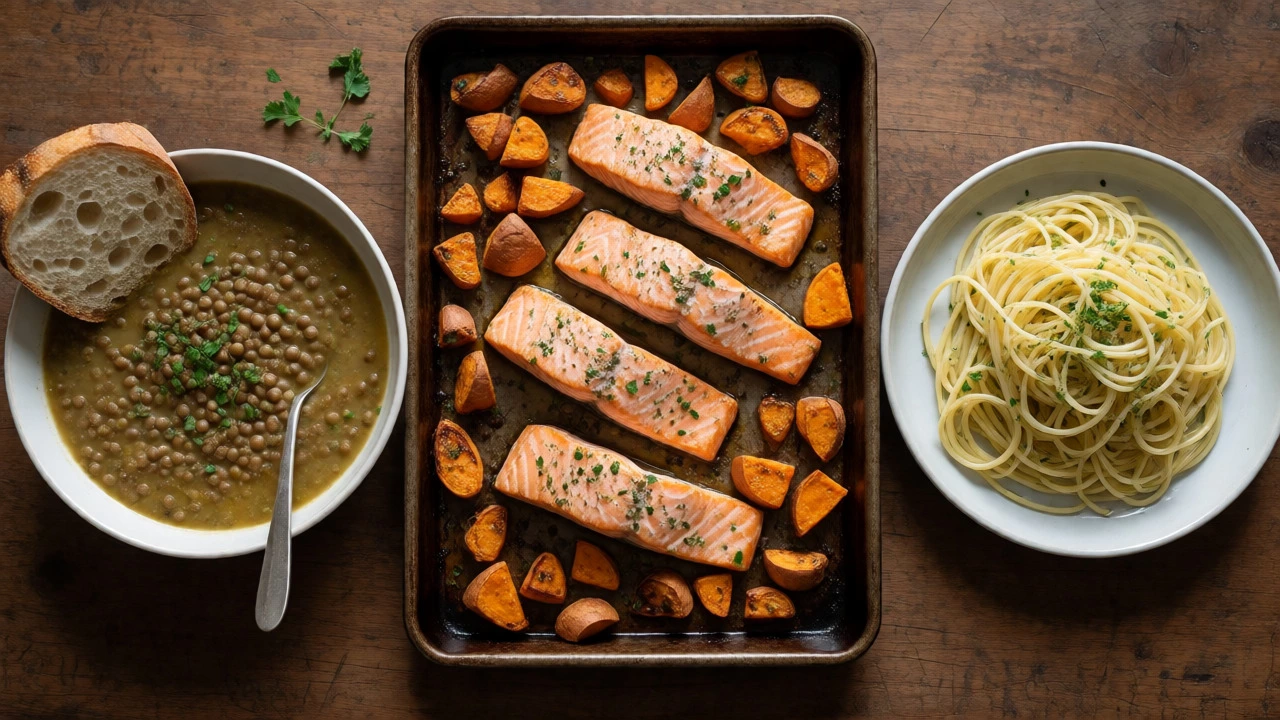
Cleaning up is often the worst part of cooking. Enter the sheet pan method. This technique involves placing all your ingredients on a single baking tray and letting the oven do the work. It’s efficient, hands-off, and produces consistent results. For a first meal, try salmon fillets with broccoli and sweet potatoes.
Salmon is a fatty fish rich in omega-3 fatty acids that cooks quickly and stays moist. It’s resilient against slight overcooking compared to leaner meats like chicken breast. Pair it with hearty veggies that can handle high heat. Sweet potatoes take longer to cook, so cut them small. Broccoli takes less time, so keep florets large. This lesson in timing is subtle but powerful.
The magic here is the caramelization. High heat browns the edges of the vegetables, creating flavor without needing complex sauces. Drizzle everything with olive oil, salt, pepper, and lemon juice before roasting at 200°C (400°F) for 15-20 minutes. While it bakes, you can shower, answer emails, or just sit down. When the timer dings, you have a complete, balanced meal with zero extra dishes to wash except the pan.
Comfort Food Simplified: Pasta Aglio e Olio
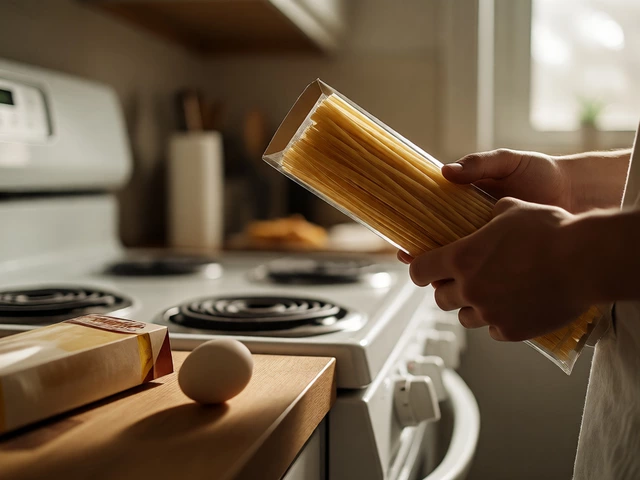
Pasta seems easy, right? But many beginners end up with sticky, bland noodles. The fix isn’t cream; it’s emulsion. Pasta Aglio e Olio is a traditional Italian dish made simply with garlic, olive oil, chili flakes, and parsley. It relies on starchy pasta water to create a silky sauce that coats each strand.
This dish teaches you the concept of 'reserving pasta water.' Before draining your spaghetti, scoop out a cup of the cloudy, white water. That starch is liquid gold. Mix it with olive oil and sautéed garlic, and you get a glossy coating that sticks to the pasta instead of sliding off. It sounds technical, but it’s just mixing two liquids vigorously. If you can stir, you can make this.
It costs pennies. Garlic, oil, dried chili flakes, and fresh parsley are pantry staples. If you’re craving something heartier, toss in some canned tuna or leftover roast chicken. It transforms from a side dish to a main course in seconds. And because it’s light, you won’t feel sluggish afterward, making it perfect for a weeknight dinner when you still have things to do.
Budget-Friendly Bulk Prep: Lentil Soup
Not every first meal needs to be cooked fresh. Sometimes, the smartest move is batch cooking. Lentil soup is durable, nutritious, and improves in flavor after sitting in the fridge. It’s also incredibly cheap. Dried lentils cost a fraction of canned beans and require no soaking.
Start with a base of onions, carrots, and celery-the holy trinity of flavor bases known as mirepoix. Sauté them slowly until soft. Add red lentils, vegetable stock, and cumin. Simmer for 20 minutes until the lentils break down into a creamy consistency. Blend half of it for texture, leave the rest chunky. Serve with crusty bread.
This approach solves the 'what’s for dinner?' panic. Make a big pot on Sunday, portion it into containers, and grab one whenever you’re hungry. It freezes perfectly, too. Having a stash of homemade soup means you’re never caught off guard by a sudden drop in energy or motivation. It’s practical nutrition that respects your time and wallet.
Avoiding Common Beginner Mistakes
Even simple meals can go wrong if you ignore basic principles. Here are the pitfalls to watch out for:
- Crowding the pan: If you pile too much food in, it steams instead of sears. Cook in batches if necessary.
- Tasting too late: Season as you go. Taste your sauce halfway through. Adjust salt and acid early.
- Ignoring knife safety: Keep fingers curled under. Use a sharp knife; dull knives slip and cause cuts.
- Overcomplicating substitutions: Stick to the recipe the first time. Experiment once you understand the baseline.
Remember, professional chefs burn things too. The difference is they know how to recover. If your garlic burns, scrape it out and start the oil again. Don’t throw the whole meal away. Resilience is part of the process.
How much should I spend on my first meal?
Aim for under $10 per serving. Focus on staple ingredients like eggs, rice, pasta, and seasonal vegetables. Avoid specialty items or expensive proteins until you gain confidence. Buying generic brands for basics like oats, flour, and spices saves significant money without compromising taste.
Do I need special equipment to start cooking?
No. You need a sharp chef’s knife, a sturdy cutting board, a non-stick frying pan, a saucepan, and a baking sheet. That’s it. Skip the gadgets like spiralizers or air fryers initially. Master these basics first. They cover 90% of beginner-friendly recipes and are versatile enough for almost any cuisine.
What if I hate the taste of the meal I made?
Analyze why. Was it too salty? Bland? Undercooked? Write down notes next time. Cooking is iterative. If you dislike a specific ingredient, swap it out gradually. For example, if you find cilantro soapy, use parsley. There’s no shame in customization; it’s how you develop your palate.
Is meal prepping worth it for beginners?
Yes, but start small. Prepping entire weeks can be overwhelming. Try prepping components instead: chop vegetables, cook grains, and portion proteins. Assemble meals fresh daily using these prepped parts. This reduces daily cooking time while keeping flavors vibrant and textures intact.
How do I know when meat is cooked properly?
Invest in a digital instant-read thermometer. It’s the most reliable tool for beginners. Chicken should reach 74°C (165°F), beef medium-rare is around 54°C (130°F). Visual cues can be misleading. Temperature ensures safety and prevents dry, overcooked meat, giving you consistent results every time.