Sustainable Fashion Impact Calculator
Your Current Habits (Fast Fashion)
Sustainable Alternative
Walk into any high street store today, and you’ll see racks of clothes that cost less than a coffee. It’s tempting, but it comes with a hidden price tag that the planet is struggling to pay. The fashion industry is responsible for roughly 10% of global carbon emissions-more than all international flights and maritime shipping combined. So, when we ask what sustainable fashion looks like, we aren’t just talking about pretty hemp dresses or vintage finds. We are talking about a complete overhaul of how clothes are designed, made, worn, and discarded.
In 2026, sustainable fashion has moved past being a niche trend for activists. It is now a practical necessity for anyone who wants to reduce their environmental footprint without sacrificing style. But what does it actually look like in your wardrobe? It looks like buying fewer items, choosing quality over quantity, and understanding the lifecycle of every garment you own. It means shifting from a 'take-make-waste' model to a circular one where resources stay in use for as long as possible.
The Core Principles of Sustainable Fashion
To understand what sustainable fashion looks like, you first need to grasp the three pillars that hold it up: environmental integrity, social equity, and economic viability. These aren't buzzwords; they are measurable standards.
Environmental Integrity focuses on minimizing harm to the planet. This includes using low-impact dyes, organic cotton, and recycled polyester. For example, conventional cotton farming uses massive amounts of water and pesticides. Organic cotton, on the other hand, requires 91% less water and no toxic chemicals. Then there is the issue of microplastics. Synthetic fabrics like polyester shed tiny plastic fibers during washing, which end up in our oceans. Sustainable brands are increasingly turning to bio-based synthetics or mechanical recycling processes that prevent this pollution.
Social equity is the human side of the equation. Fast fashion relies on cheap labor, often in countries with weak labor laws. Sustainable fashion demands fair wages, safe working conditions, and transparency. When you buy a shirt, you should be able to trace it back to the factory where it was sewn. If a brand hides its supply chain, that’s a red flag. In New Zealand, for instance, local designers often highlight their commitment to fair trade practices because they are accountable to local communities and regulations.
Economic viability ensures that sustainable fashion can survive in the market. It’s not enough to have good intentions; the business model must work. This means pricing garments correctly to reflect their true cost-including fair wages and environmental stewardship. Yes, this means higher upfront prices, but when you calculate the cost per wear, sustainable pieces often come out cheaper than fast fashion items that fall apart after three washes.
Materials Matter: What Are Your Clothes Made Of?
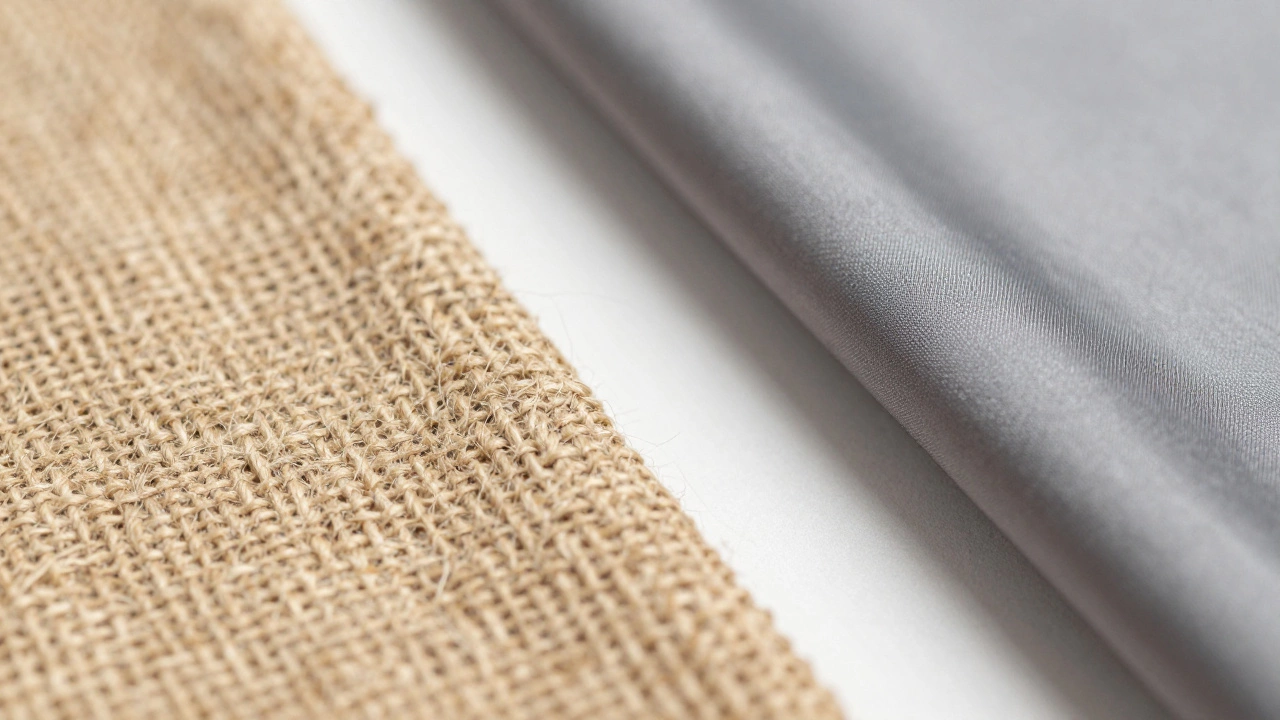
The fabric is the foundation of sustainability. Not all natural fibers are created equal, and not all synthetic fibers are bad. Here is a breakdown of common materials and their impact:
| Material | Environmental Impact | Durability | Best For |
|---|---|---|---|
| Organic Cotton | Low (no pesticides) | High | T-shirts, underwear, jeans |
| Hemp | Very Low (needs little water) | Very High | Denim, summer dresses, bags |
| Linen | Low (natural flax plant) | High | Shirts, trousers, home decor |
| Recycled Polyester | Medium (reduces plastic waste) | Medium | Jackets, activewear, swimwear |
| Conventional Polyester | High (petroleum-based) | Medium | Cheap fast fashion items |
| Tencel/Lyocell | Low (closed-loop process) | Medium-High | Dresses, blouses, loungewear |
Notice that recycled polyester still sheds microplastics, but it keeps plastic bottles out of landfills. Tencel, made from wood pulp, is produced in a closed-loop system where solvents are recycled. Hemp is a powerhouse-it grows quickly, needs minimal water, and enriches the soil. When shopping, look for these labels. They tell you a lot about the brand’s commitment to sustainability.
The Rise of Circular Fashion
Circular fashion is the next big shift. Instead of the linear model where clothes are made, worn briefly, and thrown away, circular fashion keeps materials in use. This involves several strategies:
- Repair and Maintenance: Brands are offering repair services. Why buy a new jacket when a button can be replaced? In Wellington, I’ve seen local tailors thriving by fixing high-quality garments rather than replacing them.
- Resale and Rental: Platforms like Vestiaire Collective and local consignment shops make it easy to buy second-hand. Renting for special occasions reduces the need for single-use outfits.
- Take-Back Programs: Some brands accept old clothes to recycle them into new fibers. Patagonia’s Worn Wear program is a prime example. They clean, repair, and resell used gear, extending its life significantly.
- Design for Disassembly: Future garments will be designed so that different materials can be easily separated and recycled. Imagine a shoe where the sole, upper, and laces can be detached without destroying the components.
This approach changes how we view ownership. You don’t necessarily need to own everything. Access might become more important than possession. Imagine subscribing to a wardrobe service where you rotate clothes seasonally, ensuring they are always cared for and eventually recycled properly.
Greenwashing: How to Spot Fake Sustainability
Not every brand claiming to be green is telling the truth. Greenwashing is when companies spend more time marketing themselves as environmentally friendly than actually minimizing their environmental impact. Here is how to spot it:
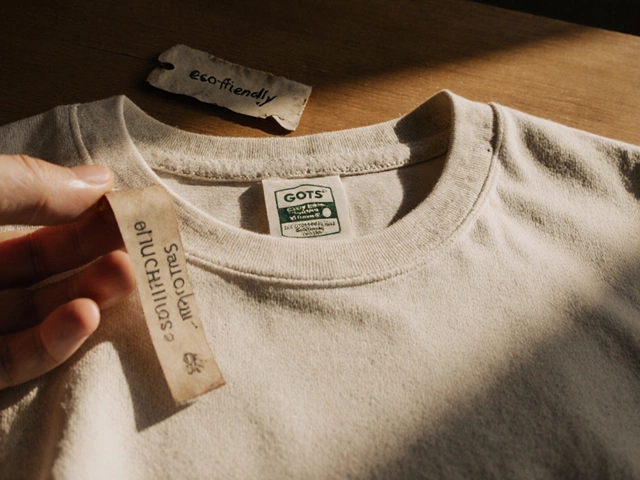
- Vague Language: Terms like "eco-friendly," "green," or "natural" are unregulated. If a brand doesn’t specify what makes their product sustainable, be skeptical.
- Small Capsule Collections: If 95% of a brand’s line is fast fashion and only 5% is "sustainable," that’s greenwashing. True sustainability is integrated into the entire business model.
- Lack of Transparency: Can they show you their factories? Do they publish annual sustainability reports with third-party audits? If not, they have something to hide.
- Over-Packaging: A "sustainable" t-shirt wrapped in plastic and shipped in a cardboard box filled with plastic filler is an oxymoron.
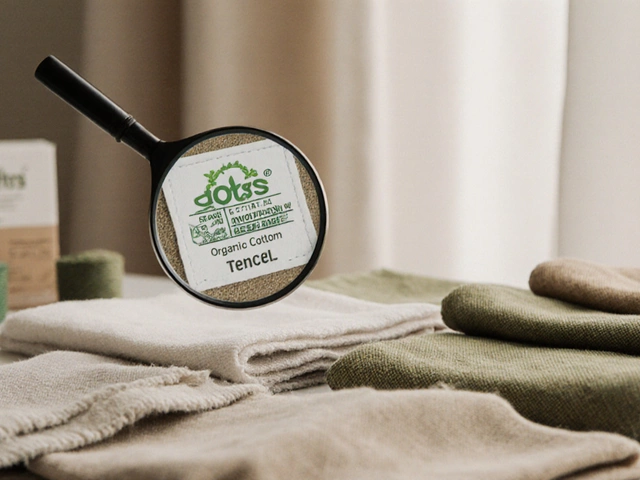
Look for certifications instead. GOTS (Global Organic Textile Standard) ensures organic status of textiles from harvesting through manufacturing. Fair Trade Certified guarantees fair wages and safe conditions. B Corp Certification measures a company’s entire social and environmental performance. These seals provide credibility that vague marketing slogans cannot.
Building a Sustainable Wardrobe on Any Budget
You don’t need to empty your bank account to dress sustainably. In fact, the most sustainable thing you can do is wear what you already own. Here are practical steps to build a greener closet:
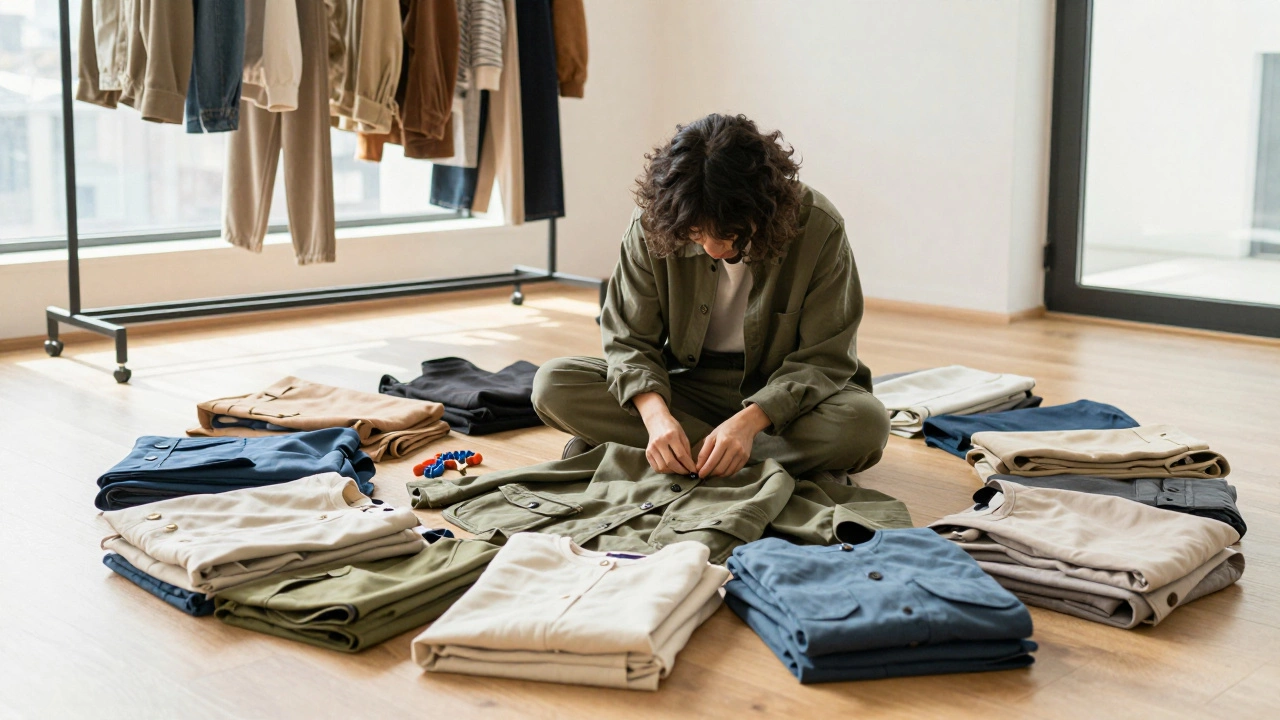
- Audit Your Closet: Take everything out. See what you have, what fits, and what you love. Donate or sell items you haven’t worn in a year. Knowing your inventory prevents impulse buys.
- Buy Second-Hand First: Thrift stores, online marketplaces, and swap parties are goldmines. You get unique pieces at a fraction of the cost, and you keep clothes out of landfills.
- Invest in Staples: For items you wear daily, like jeans or coats, invest in high-quality, durable pieces. They cost more upfront but last years longer.
- Learn Basic Repairs: Sewing a button or mending a hem extends the life of your clothes. YouTube has countless tutorials for beginners.
- Wash Less, Wash Cold: Washing clothes less frequently preserves fibers and saves energy. Always wash in cold water to reduce energy consumption and prevent shrinkage.
In my experience living in Wellington, the weather can be unpredictable. Layering is key. A few versatile, high-quality layers can create dozens of outfits. This reduces the need for a large wardrobe. Think about versatility. Can this jacket go from work to weekend? Can these pants be dressed up or down? Versatility equals value.
The Role of Technology in Sustainable Fashion
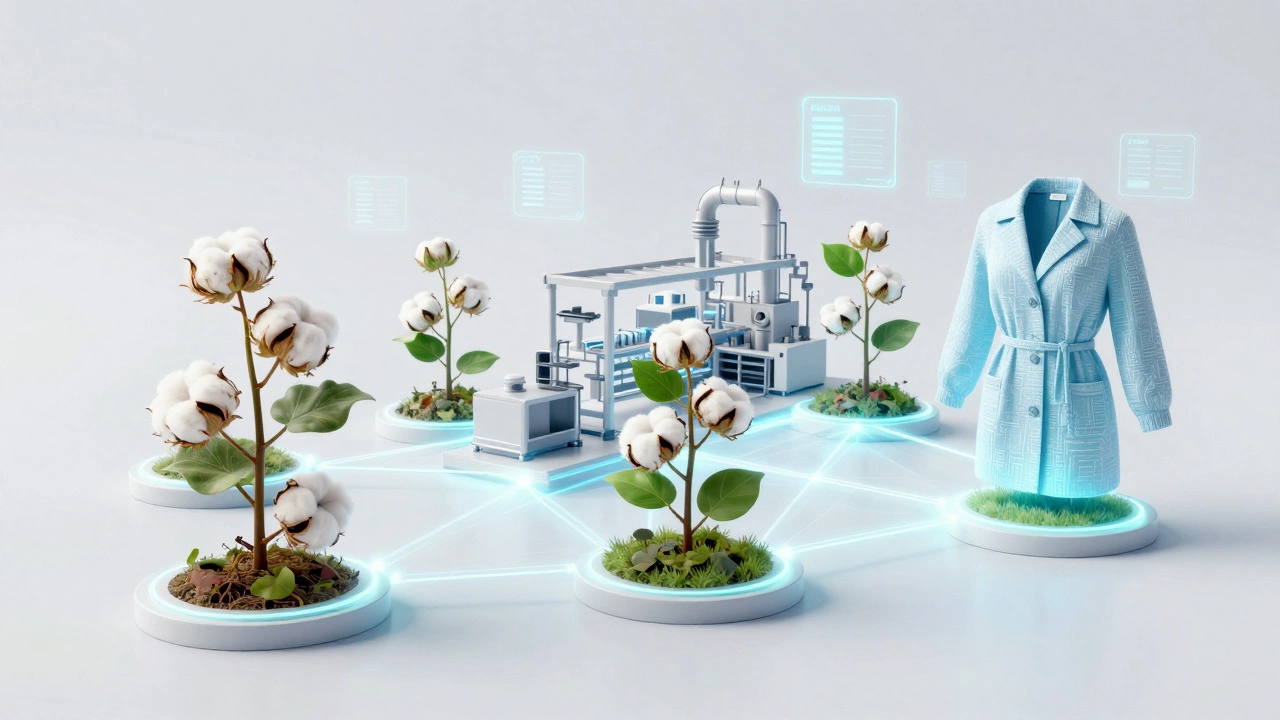
Technology is playing a huge role in making fashion more sustainable. Digital tools are reducing waste and improving efficiency.
3D Design Software allows designers to create virtual prototypes. This eliminates the need for physical samples, which often end up in landfills. Brands like Adidas and Nike are using this to cut down on material waste during the design phase.
Blockchain is being used for supply chain transparency. Each step of a garment’s journey-from raw material to retail-is recorded on a blockchain. Consumers can scan a QR code on the label to see exactly where their clothes were made and by whom. This level of detail builds trust and accountability.
AI-Driven Demand Forecasting helps brands produce only what is needed. Overproduction is a major issue in fashion, with billions of unsold items ending up in dumps. AI analyzes sales data and trends to predict demand accurately, reducing excess inventory.
These technologies are not just futuristic concepts; they are being implemented right now. As they become more accessible, even smaller brands can adopt them, leveling the playing field against fast fashion giants.
Conclusion: Your Power as a Consumer
What does sustainable fashion look like? It looks like conscious choices. It looks like asking questions before you buy. It looks like valuing craftsmanship over convenience. Every dollar you spend is a vote for the kind of world you want to live in. By supporting brands that prioritize people and the planet, you drive change. You signal to the market that sustainability matters.
It’s not about perfection. It’s about progress. Start small. Buy one less fast fashion item. Repair one broken piece. Learn about one new material. Over time, these small actions add up to a significant impact. The future of fashion is not just about looking good; it’s about doing good. And that is a trend worth following.
Is sustainable fashion more expensive?
Yes, sustainable fashion often has a higher upfront cost because it reflects the true cost of production, including fair wages and eco-friendly materials. However, when you consider the cost per wear, sustainable items are often cheaper because they last longer and retain their value better than fast fashion.
How can I tell if a brand is truly sustainable?
Look for third-party certifications like GOTS, Fair Trade, or B Corp. Check if the brand publishes detailed sustainability reports and provides transparency about its supply chain. Be wary of vague terms like "eco-friendly" without specific evidence.
What is the most sustainable fabric?
There is no single "most sustainable" fabric as it depends on various factors. However, organic cotton, hemp, linen, and Tencel are generally considered some of the best options due to their low environmental impact, durability, and biodegradability.
Can I be sustainable on a budget?
Absolutely. The most sustainable action is wearing what you already own. Buying second-hand, repairing clothes, and investing in versatile staples are budget-friendly ways to build a sustainable wardrobe.
What is greenwashing in fashion?
Greenwashing is when a brand exaggerates or falsely claims to be environmentally friendly. Signs include vague language, lack of transparency, and small "eco" collections amidst a largely unsustainable product line.