Personal Style & Wardrobe Planner
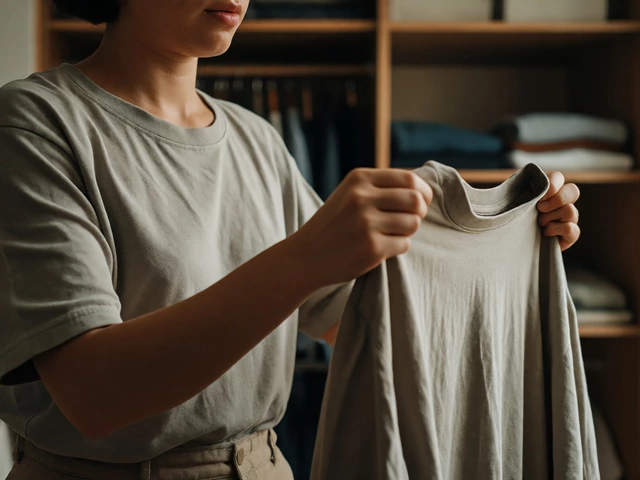
You stand in front of your closet, holding a shirt that looked great on the model but feels wrong on you. Sound familiar? Most people don’t wake up knowing exactly what their personal style is. Instead, they stumble into it through trial, error, and a lot of returned packages.
Choosing clothing style isn't just about following trends; it's a mix of understanding your body type, lifestyle needs, budget, and psychological comfort. It’s about curating a wardrobe that works for your actual life, not the one you wish you had. If you’re tired of buying clothes you never wear, this guide breaks down the practical steps real people use to find their look.
The Foundation: Lifestyle and Functionality
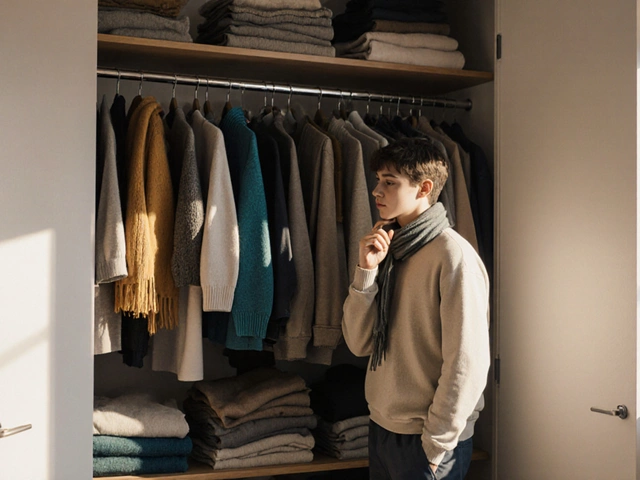
Before you look at a single color palette or silhouette, ask yourself: What do I actually do all day? Your style must serve your routine first. A corporate lawyer in Wellington has different needs than a freelance graphic designer working from home.
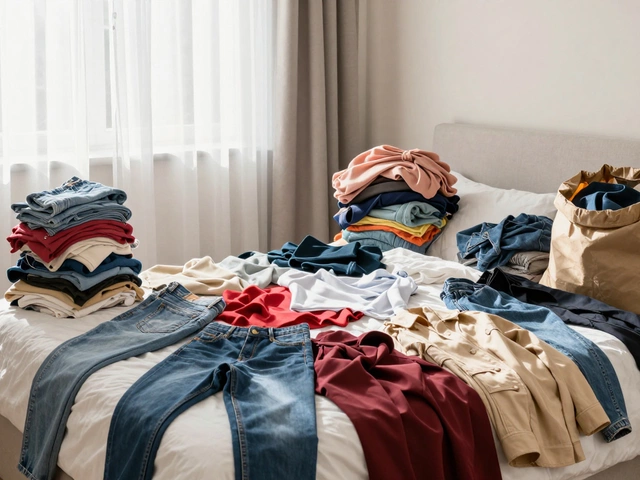
Start by auditing your week. How many days are spent sitting at a desk? How often do you go out socially? Do you need pockets? Do you hate ironing? These functional constraints eliminate half the options immediately. If you spend 90% of your time in jeans and t-shirts, buying five silk blouses is a waste of money. Build your core around what you actually wear.
- Work Environment: Is it formal, business casual, or relaxed?
- Hobbies: Do you hike, gym, dance, or play board games?
- Care Requirements: Can you afford dry cleaning, or do you need machine-washable fabrics?
People often buy aspirational clothes-items that fit the person they want to be, not who they are. That leather jacket might look cool, but if you only wear it twice a year, it’s clutter. Prioritize functionality. When clothes fit your life, you feel confident wearing them because you know they belong there.
Understanding Body Shape and Fit
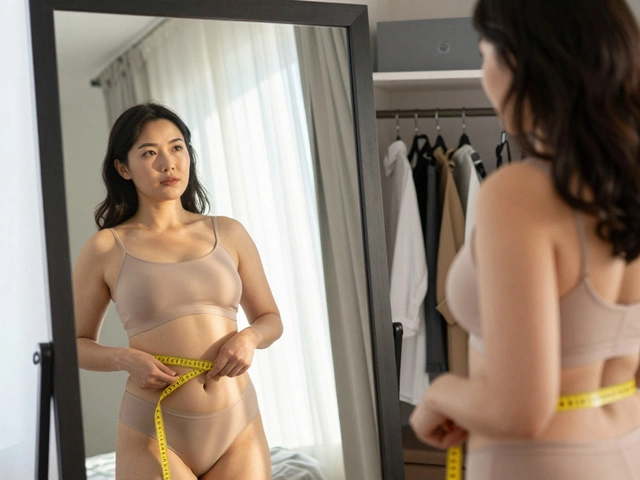
Fashion marketing sells sizes, but physics dictates fit. Two people can wear a size 10 and look completely different because of bone structure and muscle distribution. Knowing your general body shape helps you choose cuts that highlight your best features rather than fighting against your natural lines.
This doesn’t mean you have to dress like a textbook diagram. It means understanding which silhouettes balance your proportions. For example, if you have broad shoulders, V-necks might elongate your torso better than crew necks. If you carry weight in your midsection, high-waisted trousers might smooth your line better than low-rise jeans.
| Body Shape | Key Characteristic | Flattering Cuts | Avoid (General Rule) |
|---|---|---|---|
| Hourglass | Balanced bust/hips, defined waist | Wrap dresses, belted coats, fitted tops | Boxy, oversized shirts |
| Pear | Hips wider than shoulders | Boat necks, A-line skirts, structured jackets | Skinny jeans with no top coverage |
| Apple | Weight carried in midsection | V-necks, empire waists, straight-leg pants | Tight belts at the waist |
| Inverted Triangle | Shoulders wider than hips | Wide-leg pants, scoop necks, raglan sleeves | Padded shoulders |
Remember, these are starting points, not laws. The goal is to try things on and see how they make you feel. Confidence comes from feeling comfortable in your skin, and ill-fitting clothes kill that instantly.
The Psychology of Color and Identity
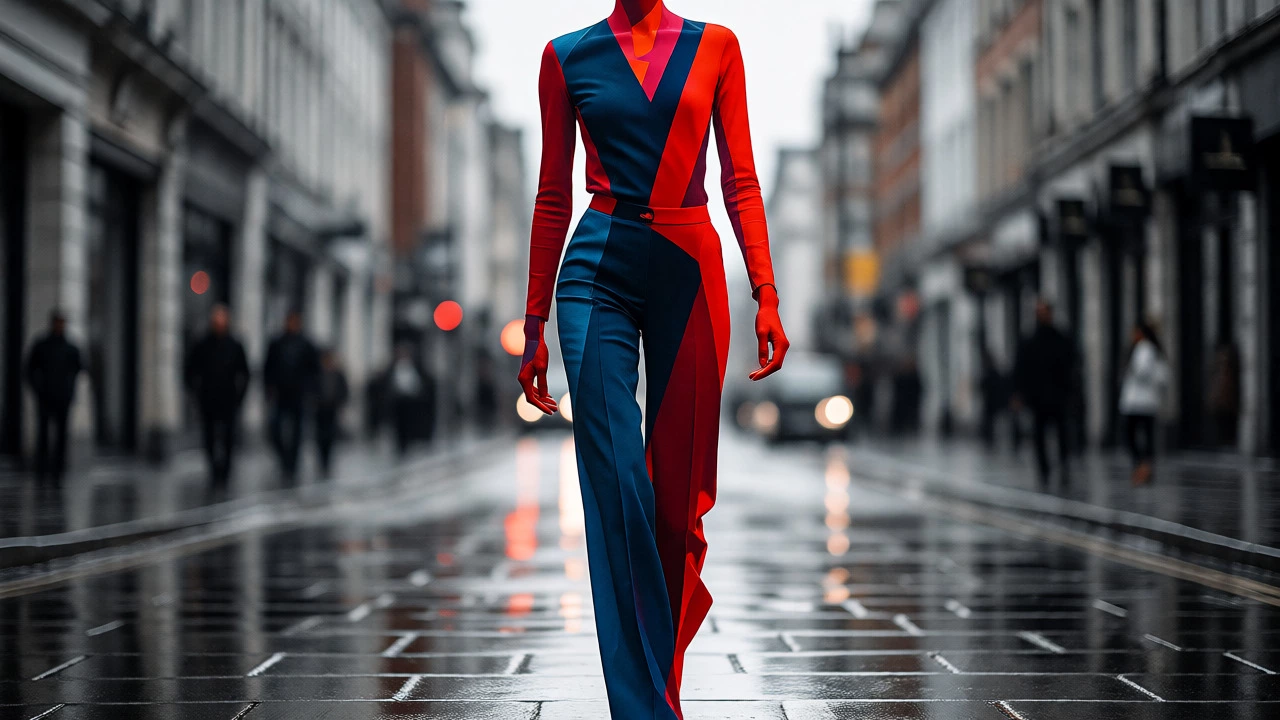
Why do some people feel powerful in red while others feel anxious? Color psychology plays a huge role in style choices. We often gravitate toward colors that reflect our internal state or the persona we want to project externally.
Consider the concept of "enclothed cognition." Studies suggest that what we wear affects how we think and behave. Wearing a lab coat makes people more attentive in tests, even if they think it’s a doctor’s coat. Similarly, dressing in sharp, structured clothing can make you feel more authoritative in meetings. Soft, flowing fabrics might help you feel more approachable and calm.
Don’t ignore your emotional response to color. If you hate yellow, forcing yourself to wear it for a "trend" will just make you miserable. Find your neutral base-the colors you can wear every day without thinking-and then add accent pieces that spark joy or energy. This creates a cohesive look that feels authentic to you.
Curating a Capsule Wardrobe
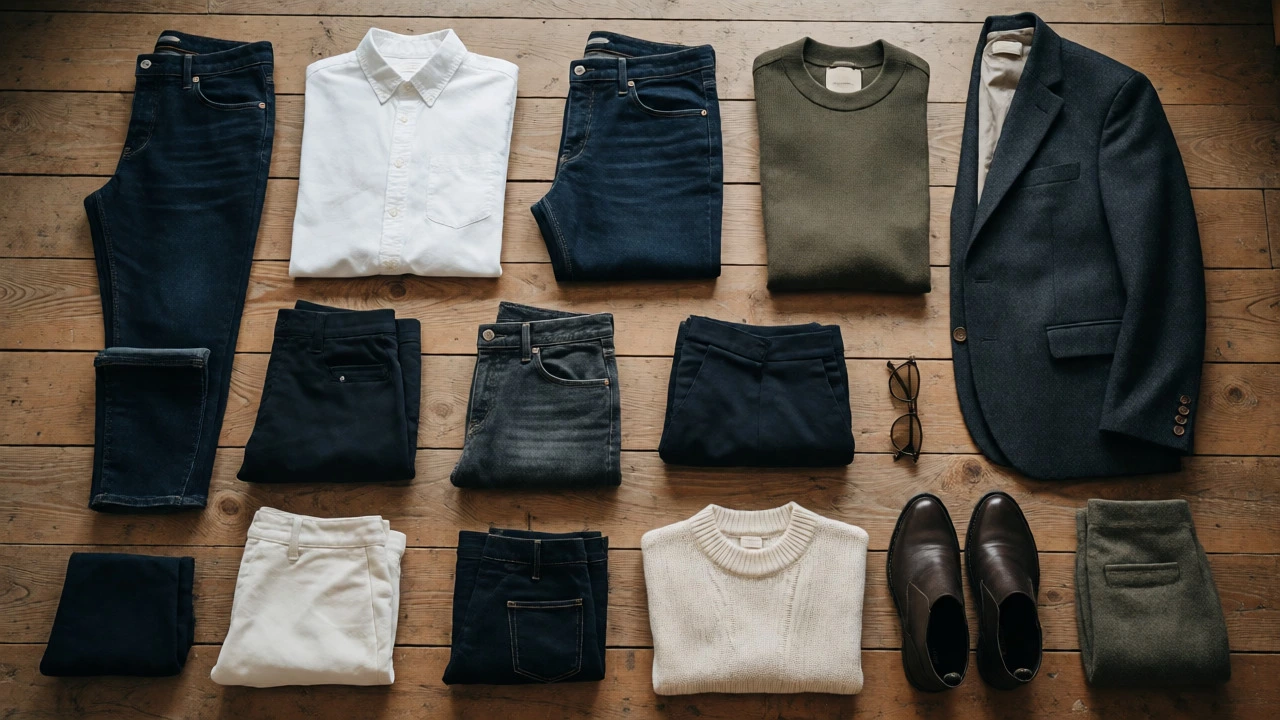
Once you understand your lifestyle and fit preferences, the next step is curation. A capsule wardrobe is a collection of interchangeable pieces that can be mixed and matched to create multiple outfits. This reduces decision fatigue and ensures everything you own works together.
Start with a formula. Many stylists recommend the 3-5-7 rule: three pairs of shoes, five bottoms, and seven tops. Adjust based on your climate and laundry habits. In Wellington, where the weather changes rapidly, layering is key. You might need more outerwear than someone living in a tropical climate.
Quality over quantity matters here. Because you’ll wear these items repeatedly, invest in better fabrics. Cotton blends, wool, and linen tend to age better than cheap synthetics that pill after two washes. Check seams and stitching before buying. A well-made garment lasts years, making it cheaper per wear than a fast-fashion item you replace monthly.
Breaking the Cycle of Fast Fashion
Fast fashion encourages impulse buying. You see something trendy online, click "add to cart," and forget about it until it falls apart. To break this cycle, implement a 48-hour rule. If you want to buy something non-essential, wait two days. Often, the urge passes.
Also, consider the source. Where does your clothing come from? Ethical production practices are becoming a bigger factor in consumer choices. Brands like Patagonia or local New Zealand designers often prioritize sustainability and fair labor. Knowing the story behind your clothes adds value beyond aesthetics. It aligns your purchases with your values, which strengthens your commitment to keeping and caring for those items.
Thrifting and second-hand shopping are also excellent ways to develop unique style. You’re less likely to find duplicates, and you learn to spot quality by touch and inspection. It forces you to slow down and evaluate each piece individually, rather than grabbing an armful of similar items.
Developing Your Signature Look
Style evolves. You won’t look the same at 20 as you do at 40. But having a few signature elements creates consistency. Maybe it’s always wearing red lipstick, or always pairing boots with dresses, or sticking to monochrome outfits. These small repetitions make you recognizable and simplify getting dressed.
To find your signature, look at photos of yourself from the past five years. Which outfits do you love? Which ones did you wear repeatedly? Identify the common threads. Was it a specific cut? A color family? A level of formality? Lean into those patterns. They are clues to your true style.
Finally, stop comparing yourself to influencers. Their jobs depend on novelty. Yours depends on comfort and confidence. Your style should be a reflection of your personality, not a costume. When you buy clothes that align with your lifestyle, fit your body, and resonate with your identity, you stop chasing trends and start building a wardrobe that serves you.
How do I know if a piece of clothing fits me correctly?
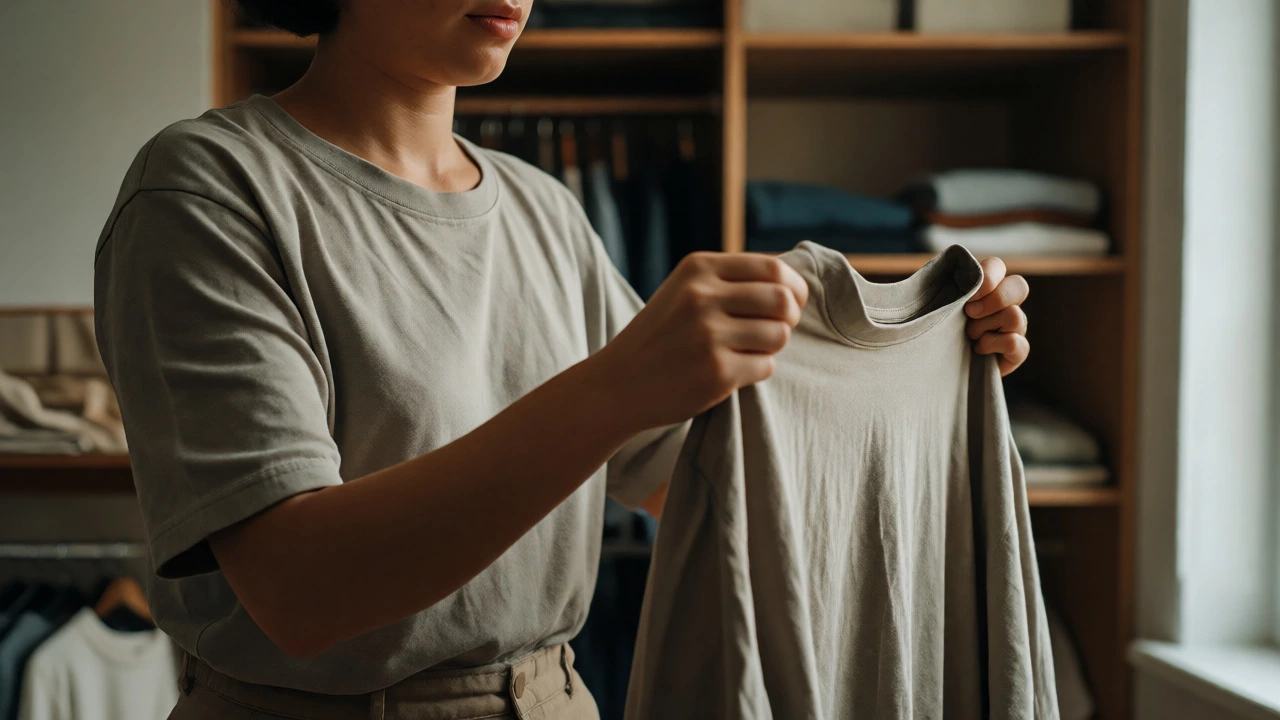
A good fit allows for movement without pulling or gaping. Shoulders should sit at the edge of your shoulder bone, not droop down or pinch. Pants should sit comfortably at your natural waist or hip without digging in. If you have to constantly adjust an item throughout the day, it likely doesn’t fit right, regardless of the tag size.
What are the essential items for a beginner's capsule wardrobe?
Start with versatile neutrals: a pair of well-fitting dark jeans, a white button-down shirt, a black t-shirt, a tailored blazer, and a simple dress. Add one pair of clean sneakers and one pair of versatile boots. These items can be mixed and matched to create dozens of outfits suitable for various occasions.
Is it worth spending more on expensive brands?
Not necessarily. Expensive brands often charge for logo recognition. Focus on fabric quality and construction instead. A $50 cotton shirt with double-stitched seams may last longer than a $200 branded shirt made of thin synthetic material. Always check the care label and inspect stitching quality before deciding.
How can I incorporate trends without looking outdated quickly?
Use accessories to experiment with trends. Trends move fast, so keep your core wardrobe classic and timeless. Add a trendy bag, scarf, or pair of shoes to update your look. This way, when the trend fades, you haven’t invested heavily in a major garment that now looks dated.
What if my style conflicts with my workplace dress code?
Find the intersection between professional requirements and personal expression. If your office requires suits, focus on tailoring and fabric texture to express style. Use subtle details like unique buttons, interesting linings, or distinctive footwear within the allowed parameters. Personal style can exist within strict dress codes through fit and detail.